
University of the Pacific Psychology Programs
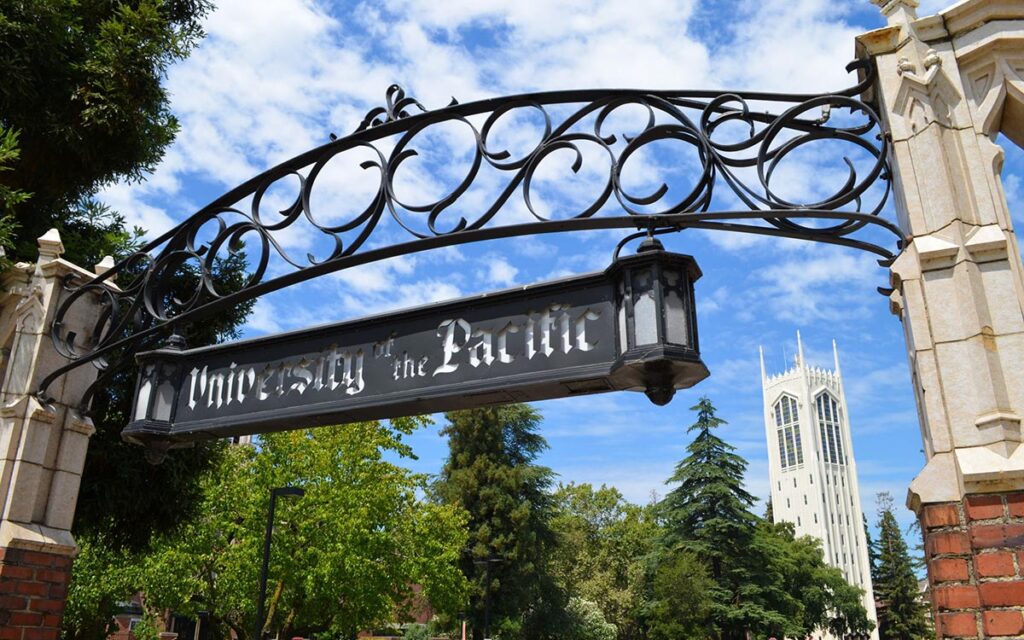
The University of the Pacific’s Department of Psychology is where students gain both theoretical knowledge and practical experience in psychology. This department in Stockton, CA has grown into a center for psychological education and research in Northern California.
Pacific’s psychology program lets students take a closer look at fascinating study areas throughout the discipline. Students become skilled at psychological principles in behavioral, biological, clinical, cognitive, developmental and social psychology. On top of that, it offers specialized areas like parenting, obesity and physical activity, social and emotional development, substance use, sustainability, social-cognition, and aging/gerontology.
Pacific’s psychology program has earned significant national recognition. The university reached its highest national ranking as the Wall Street Journal placed Pacific at No. 87 among top U.S. colleges and universities.
Pacific’s psychology graduates enter the workforce with both research and hands-on experience. This gives them an edge whether they choose employment or graduate studies.
The department shows its dedication to student success through individual-specific education. Each psychology student works with a faculty advisor who provides personal mentoring throughout their academic trip. These advisors help students learn about intellectual interests, degree requirements, and life after graduation.
Students interested in a master’s degree can pursue a Master of Arts program in psychology, with application deadlines typically on March 1st for fall admission.
Programs offered
The University of the Pacific’s psychology programs equip you with skills needed for various mental health careers. You’ll find everything from undergraduate studies to doctoral programs, each offering specialized training and hands-on experience.
Pacific’s undergraduate psychology degree lets you explore fascinating areas like behavioral, biological, clinical, cognitive, developmental, and social psychology. You’ll become skilled at psychological principles and learn to apply them in ground situations.
Graduate students can choose from several specialized tracks. The Master of Arts in Counseling Psychology with Marriage and Family Therapy emphasis leads to licensure as a Marriage and Family Therapist. You’ll build a strong base in family systems and human development. The program focuses on hands-on learning and cultural competence. After graduating, you can help families, individuals, and groups by treating mental health and substance abuse issues.
Another option is the Master of Arts in Counseling Psychology, Child and Adolescent Counseling. This program forms the foundation for the Education Specialist (EdS) in School Psychology program. The combined MA+EdS path takes two years of full-time coursework with fieldwork. A third-year internship follows, which typically offers good compensation. Once you complete the program, you’ll qualify for California authorization to practice school psychology and National Association of School Psychologists certification.
Students interested in behavioral psychology can pursue a Master of Science with a Behavior Analysis specialization. The scientist-practitioner model teaches all behavioral analysis domains through coursework and practical experiences. This program serves two key purposes: it prepares you for the Board Certified Behavior Analyst certification exam and boosts your qualifications for doctoral programs.
The Doctor of Psychology (PsyD) in Counseling Psychology stands out among Pacific’s advanced offerings. This four-year program builds deep knowledge in psychology, clinical skills, and research methodology. The flexible hybrid model covers counseling, assessment, ethics, psychopharmacology, and other key topics to create well-rounded, effective counselors.
The Master of Arts in Counseling Psychology rounds out Pacific’s offerings. This program prepares you for certification as Licensed Professional Clinical Counselors (LPCC). You’ll learn about counseling, assessment, development, research methods, ethical practice, psychopharmacology, and addiction, among other advanced topics.
Online options
The University of the Pacific Psychology programs stand out from traditional education models with their flexible learning paths. Students have access to online and hybrid options that adapt to their diverse educational needs.
Benerd College takes the lead by offering fully online and hybrid degree programs with both live and self-paced learning methods. You can access education whatever your location or schedule looks like. These programs work great for working professionals who want to keep their full-time jobs while pursuing academic goals.
The PsyD in Counseling Psychology program shows this flexibility through its hybrid model. Students get the best of both worlds – online convenience and face-to-face learning. You can complete lectures, discussions, and assessments online when it fits your schedule. So you’re free to study new material at your own pace.
The university knows how tough it can be to juggle work and personal life. Their hybrid experience includes:
- Online learning you can do live or on your own time
- Face-to-face classes just once or twice
- Schedule options that work for busy people
This balanced approach gives you valuable in-person connections while keeping things flexible.
The university also offers TAO (Therapy Assistance Online), an innovative online therapy platform. This tool helps you learn about and reshape your thoughts and feelings. Your school email gives you access to modules on depression, anxiety, communication problems, and substance use issues.
TAO works in different ways at the university. Counselors can create a custom TAO program if you’re getting therapy. The resources are also there as self-help tools if you want to work through personal issues on your own or don’t need professional help right now.
Accreditation
The University of the Pacific’s educational quality and credibility rest on its strong accreditation foundation. The Western Association of Schools and Colleges (WASC) Senior College and University Commission has managed to keep the institution regionally accredited since 1949. This accreditation shows Pacific meets quality education standards and gives a solid foundation to all academic programs.
Graduate psychology students need to think about program-specific accreditations. The American Psychological Association (APA) Commission on Accreditation is the leading programmatic accreditor for professional psychology education in the United States. They accredit master’s and doctoral programs in clinical psychology, counseling psychology, school psychology, plus psychology internships and postdoctoral residencies.
Pacific’s Counseling and Psychological Services (CAPS) Training Program has proudly held APA accreditation since 2011. The Commission on Accreditation renewed this status in April 2019 for ten more years, and the next site visit will happen in 2028. This ongoing recognition highlights the university’s excellent clinical training quality.
Students should know the PsyD in Counseling Psychology program at Pacific isn’t APA-accredited right now. This could limit some career options since many states require APA accreditation for licensure and specific jobs.
The university’s professional licensure disclosures point out that while APA-accredited doctoral degrees usually lead to licensure, you might need extra coursework beyond Pacific’s program. These areas include human sexuality, alcoholism/chemical dependency, child abuse assessment, spousal/partner abuse detection, and aging/long-term care.
Students looking to become certified behavior analysts can take advantage of Pacific’s verified course sequence that meets Board Certified Behavior Analyst (BACB) requirements. The program offers supervised clinical experiences for BACB certification, and qualified faculty and staff supervise all clinical work in-house.
Your decision to join Pacific’s psychology programs should substantially depend on their accreditation status. The university has strong regional accreditation and some APA-accredited components, but program-specific accreditations vary. Research carefully based on your career goals and your state’s licensure requirements.
Admission Requirements
Getting into University of the Pacific’s Psychology programs depends on your chosen study level. The university looks at your academic record, work experience, and personal qualities to give a full picture of who you are.
Pacific’s undergraduate psychology program is highly selective with an acceptance rate of 7.2%. New students need to submit their high school GPA and academic records. While ACT and SAT scores help your application, they’re optional now. International students must take the Test of English as a Foreign Language (TOEFL).
The rules change for transfer students. You’ll need at least a 2.8 GPA, though biology and business programs set the bar higher. Students must provide official transcripts from previous colleges and show good academic standing. Pacific also has a Transfer Admission Agreement (TAA) for California Community College students. This guarantees your spot if you have 60 semester units and a 3.2 GPA or better.
The MA in Psychology program sets higher standards. You’ll need:
- Bachelor’s degree in psychology or related field
- Applied, clinical, or research experience
- 0 GPA minimum (most accepted students score much higher)
- Statement of interest
- Curriculum vitae
- Three letters of reference
The MA program doesn’t need GRE scores. Applications must reach by February 15 for fall review.
The PsyD in Counseling Psychology wants a 3.0 GPA in your last 60 college units. You should have a relevant bachelor’s degree from an accredited school that matches Pacific’s character standards. Your application needs a 300-500 word essay about your professional background, skills, and career goals. Submit by January 15 for priority consideration, or by May 1 at the latest.
Clinical Psychology PsyD candidates need a bachelor’s degree. Pacific recommends a 3.4 GPA in your final two years of study, plus specific prerequisite courses. International applicants must score at least 600 (paper), 250 (computer), or 100 (internet) on the TOEFL.
Tuition
Students pursuing psychology education at University of the Pacific need to know about tuition costs and the extensive financial aid they can receive.
Graduate students in the MA Psychology program will pay $28,064 ($1,754 per unit) for 16 units in the 2025-2026 academic year. Most students pay much less than this amount because tuition remission covers 75% or more of these costs for psychology program students.
Pacific has covered 90-100% of students’ tuition costs in the last five years. This generous support makes advanced psychology degrees available to qualified candidates who face financial challenges.
Pacific’s Board of Regents decides tuition rates each year and keeps increases low. The average increase is about 3% yearly—lower than what other similar institutions charge. Students can plan their finances better with these modest increases.
Psychology students at Pacific can access several targeted scholarships. HealthForce Partners Northern San Joaquin Valley donated $200,000 to fund ten annual $10,000 scholarships. Five of these scholarships help students in the Master of Arts in Counseling Psychology program. Department Dean Patricia Campbell explains, “It’s a fantastic opportunity because price can sometimes be the barrier for students”.
Benerd College received $5.6 million from the U.S. Department of Education. This grant pays tuition for eight graduate students yearly in counseling and school psychology. The funding supports expanded mental health services in San Joaquin Valley’s K-12 schools.
Sallie Mae’s study shows that more than half of families with college students receive scholarships. These families typically cover one-third of college costs through scholarships and grants. Pacific’s financial support lets psychology students “walk into the field without a bunch of debt weighing on them”. This approach helps strengthen the mental health workforce in nearby communities.
Additional Information
Students at the University of the Pacific Psychology department get valuable research opportunities that go well beyond classroom learning. Devin Thompson and other undergraduate students work on independent research projects with faculty mentors and build strong professional networks. Graduates gain both research expertise and practical experience, which gives them an edge in their careers.
Psychology graduates can look forward to strong job prospects. The Bureau of Labor Statistics predicts a 7% growth in psychology positions through 2033. Pacific’s Career Services helps students prepare for their careers with detailed support that includes career advice, job placement help, resume writing tips, and graduate school guidance.
The Pacific Alumni Association organizes more than 150 programs and events each year to help students build their professional network. Students who complete at least one year at Pacific (24 credit hours) with good academic standing can join this free organization. The Tiger-to-Tiger Networking app lets students connect with alumni for career advice at any stage of their education.
Alumni often visit as guest speakers to share their professional experiences. Students who graduate become part of a lifelong community that stays connected to Pacific. They continue to receive free career services and networking opportunities throughout their professional lives.