
Psychology Programs at The University of La Verne
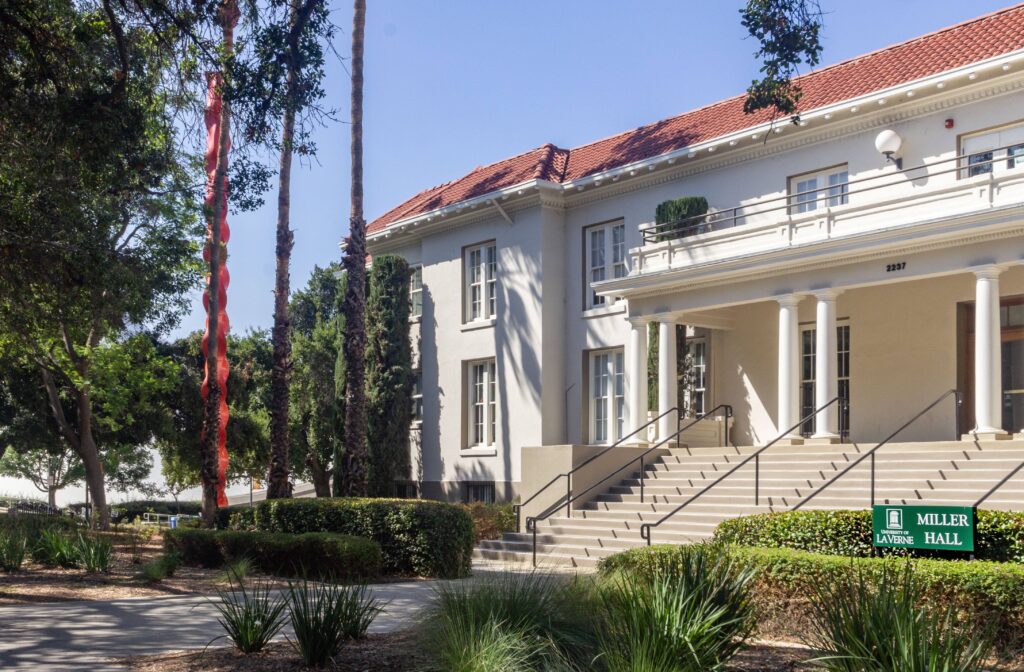
The University of La Verne has provided doctoral programs to candidates who want to advance their careers in psychology and other fields for more than 50 years. The Doctor of Psychology (PsyD) program stands out as the top choice for aspiring clinical psychologists around Los Angeles.
La Verne’s PsyD program has a straightforward mission: preparing doctoral students to become professionals who understand multicultural aspects of clinical psychology. Students, faculty, and staff from diverse ethnic, cultural, religious backgrounds are welcome in this nonreligious doctoral program. The school accepts people of all sexual orientations, ages, and abilities.
The program believes that clinical practice works best when built on scientific psychology principles. The science of psychology improves when combined with practical clinical experience. This balanced approach helps graduates build both theoretical knowledge and hands-on skills.
Each fall semester, 12-14 students join the program as a cohort. The small group size gives students personal attention and creates a supportive environment. The program maintains high standards with admitted students showing an average undergraduate GPA of 3.64.
The department’s accomplished professors bring both academic credentials and ground experience to the classroom. The core team includes Dr. Jerry Kernes, who serves as Interim Associate Dean, PsyD Program Chair, and Director of Clinical Training. Dr. Kristina Post serves as Program Chair, along with several distinguished professors who specialize in different areas of clinical psychology.
Students learn everything they need to become health service psychologists through a well-designed academic foundation. The curriculum focuses on three areas: knowledge integration, practice application, and research application.
Classes are interactive with assignments that reflect workplace scenarios. This practical approach prepares graduates for both academic careers and roles as practicing psychologists across professional settings.
The university shows its dedication to student success through strong support systems. Each doctoral student works with a faculty advisor from admission to graduation. Students also build lasting professional connections as they study with peers who share similar educational goals.
First-year students receive financial support through Graduate Assistantships. Qualified students can become teaching assistants starting their second year.
Programs offered
La Verne’s APA-accredited Doctor of Psychology (PsyD) in Clinical Psychology program helps students become skilled scholar-practitioners. This complete program gives you key competencies in scientific foundations, clinical practice, research methods, and data analysis.
Students need to complete 120 semester hours (SH) spread over five years. The program has 98 SH of academic coursework and clinical practicum, 10 SH for pre-doctoral clinical internship, and 12 SH for doctoral dissertation work. Students attend full-time classes for four years before their internship year.
The program progresses in a clear sequence:
- Year 1: Foundation courses in psychological theory, statistics, assessment, and professional ethics
- Year 2: Clinical practicum starts with first placement and continued coursework
- Year 3: Second clinical practicum placement and dissertation proposal work
- Year 4: Elective coursework, supervision and consultation skills training, and dissertation
- Year 5: Full-time pre-doctoral internship (1,500 clinical hours)
Clinical training plays a vital role in your education. Students complete required practica at two different sites during Years 2 and 3, gaining at least 1,500 clock hours of supervised clinical experience. Year 4 offers an optional advanced practicum to expand clinical experience or develop expertise in specific areas.
Students start their dissertation in Year 3 with proposal design and work through Year 4. They must complete it before beginning their internship. This research project shows how well you can apply research methods and analyze data for clinical questions.
La Verne provides Graduate Assistantships to all first-year students. Second-year students can apply for teaching assistantships to help faculty with teaching or research projects and receive partial tuition credit.
Graduates who complete their post-doctoral clinical training can apply for psychologist licensure. The curriculum meets all academic and pre-doctoral clinical requirements for California psychology licensure. La Verne’s PsyD program creates strong foundations for a successful career as a clinical psychologist.
Online options
Your educational choices in clinical psychology deserve careful thought, especially regarding online programs. The United States has no fully online PsyD programs with APA accreditation. This matters a lot to aspiring psychologists in California, where state licensing boards prefer or require graduates from APA-accredited programs.
Many institutions have created hybrid approaches to work around the limitations of fully online doctoral programs. These programs offer digital platform coursework while keeping the clinical training components in-person. All psychology doctoral programs must include face-to-face clinical training to meet accreditation standards, whatever their delivery method.
The University of La Verne’s PsyD program stays true to its traditional in-person format. This ensures APA accreditation compliance and delivers exceptional clinical training. The university values digital resources in modern education and gives psychology doctoral students complete online support services.
La Verne students can access numerous digital research databases and resources. The university library gives you access to the complete DSM Library, which has the Diagnostic and Statistical Manual of Mental Disorders (DSM-5) and related clinical resources. The psychology-specific digital resources go beyond simple references to specialized databases like PsycTESTS (produced by the APA) and Mental Measurements Yearbook.
Doctoral students can tap into ICPSR (Inter-University Consortium for Political and Social Research) for research. This extensive data archive contains more than 500,000 files of social sciences research. So while the program isn’t online, digital access substantially improves your research capabilities.
The university supports student mental health through TimelyCare, a virtual health and well-being platform. The Health and Wellbeing Fee and the Institute of Mental Health and Psychological Well-Being fund this service. TimelyCare offers two key components:
- Virtual counseling sessions with professional therapists (12 visits per academic year)
- 24/7 virtual crisis counseling (TalkNow) for immediate emotional support
The online library guide helps PsyD students find their way through these resources. You’ll learn to locate books and articles, create literature reviews, use citation management software, and format citations in APA style. This digital support system helps maximize your research output while you focus on the in-person clinical training at the heart of your doctoral education.
Accreditation
La Verne’s PsyD program’s academic credibility stems from its accreditation status. The program has full accreditation by the Commission on Accreditation of the American Psychological Association (APA). This recognition verifies the program’s educational standards for prospective employers, licensing boards, and the professional community.
The Clinical Psychology Doctoral Program earned a 10-year reaccreditation from the APA in 2018—the highest and longest accreditation level granted by the association. This achievement showcases the program’s excellence across multiple areas. APA’s accreditation decisions depend on how well a program meets the Standards of Accreditation in Health Service Psychology by understanding factors such as university quality, curriculum rigor, career outcomes, student caliber, faculty leadership, and communication effectiveness.
APA states that accreditation assures students and the public that graduates have a solid educational and scientific foundation to build successful psychology careers. Students investing in their professional future can feel confident about their degree’s quality and recognition through this external verification.
The program’s next reaccreditation site visit will take place in 2028, according to university documentation. This evaluation is part of the regular assessment cycle that maintains educational standards in all APA-accredited programs.
The University of La Verne maintains institutional accreditation through the WASC Senior College and University Commission (WSCUC), with its next complete review set for 2027-2028. This combination of institutional and programmatic accreditation reinforces the overall educational quality.
Standard V of APA’s Standards of Accreditation requires doctoral programs to provide accurate information about program expectations and educational outcomes to potential students, current students, and the public. La Verne maintains transparency about its accreditation status to help applicants make informed decisions about their educational experience.
Admission Requirements
La Verne’s PsyD psychology program has a well-laid-out application process that helps find candidates with excellent academic records and clinical potential. The program uses PsychologyCAS (Centralized Application Service for Psychology) to handle all applications. Students who want to start in Fall can submit their applications from September of the previous year until December 15 (9 pm PST).
You need a bachelor’s degree in psychology or a related field from a regionally-accredited institution to apply. The program asks for a minimum undergraduate GPA of 3.00. A master’s degree won’t make up for an undergraduate GPA below this requirement.
Your transcript must show grades of B- or better in these prerequisite courses:
- Introductory or general psychology
- Statistics
- Experimental psychology or research methods
- Abnormal psychology or psychopathology
- Two additional psychology courses
A complete application package should include:
- Curriculum vitae showing your relevant experience
- Statement of professional goals and aspirations (APA style, double-spaced, 1,000 words maximum) that explains your program interest, how your interests match faculty research, training goals, and future plans
- Three letters of recommendation from qualified people who can assess your doctoral study potential and clinical psychology competence
The original GRE requirements changed yearly. Fall 2025 admissions needed general GRE scores of at least 295 (Verbal and Quantitative combined) and 3.5 (Analytical Writing). Starting Fall 2026, the GRE will be recommended but not mandatory.
International students must prove their English skills through TOEFL scores (minimum 100 internet-based version) or Duolingo English test (minimum 130).
The program invites promising candidates for interviews in January and February after reviewing applications. Students hear about admission decisions by mid-March and must respond by April 15 if accepted.
Students with prior graduate work can ask for transfer credits, which the program evaluates individually. Only courses from regionally accredited universities completed within 5 years of admission with grades of B (3.0) or better qualify. Students can transfer up to 12 semester hours, but this doesn’t reduce residency requirements. The program doesn’t accept transfers for practicum, internship, statistics, research methods, and dissertation units.
The PsyD program values diversity and welcomes applicants from different ethnic, cultural, religious backgrounds, sexual orientations, ages, and abilities.
Tuition
A PsyD psychology degree at La Verne needs a large financial investment, but several options make this educational experience more available. La Verne’s Doctor of Psychology (PsyD) program costs $1,310 per semester hour. Students need 120 semester hours to complete the program, so they should plan their finances based on the total cost.
Doctoral psychology education costs vary among institutions. PsyD programs nationwide typically cost between $120,000 to $200,000. La Verne’s program sits in the moderate price range compared to other APA-accredited programs. This shows the university’s aim to provide quality education at reasonable costs.
La Verne’s financial support system helps PsyD students in many ways. First-year doctoral students get guaranteed graduate assistantships with tuition remission. After their original year, qualified students can apply for teaching assistantships. These positions let them work with faculty on teaching or research projects and receive partial tuition reduction.
Students also get travel awards that show the program’s steadfast dedication to professional growth. These funds are a great way to get networking chances at conferences and professional events while staying updated with field developments.
La Verne’s payment options include deferred payment plans for courses lasting eight weeks or more. A $75 deferment fee applies to payment plans, and missed payments result in monthly late fees of $35.
La Verne’s published tuition rates might change without prior notice. Students should check current rates through official university channels when they apply. Financial arrangements must be complete before each academic term starts.
Additional Information
La Verne’s PsyD program features several unique elements that boost your clinical training experience beyond the standard curriculum. Each fall, 12-14 students join as a cohort, which creates a close-knit learning environment. The small class size makes cooperative learning natural among peers during the five-year program.
Your professional development’s substance lies in clinical training. Students complete a minimum of 1,500 training hours at two different practicum sites during their second and third years. The fifth-year internship adds another 1,500 clinical hours, which meets California’s predoctoral licensure requirements. Recent success stories include a 100% match rate at prestigious APA-accredited internship sites for 2021-2022 and 2023-2024 cohorts.
Professional development goes hand in hand with personal growth. Students must complete at least 20 hours of personal psychotherapy before their predoctoral internship. This requirement helps promote self-awareness – a crucial quality for effective clinical practice.
Students design an empirical dissertation in their third year and complete it in their fourth year. This project shows how to contribute to psychological knowledge while applying scientific methods to clinical questions.
Career prospects look bright for graduates. La Verne PsyD alumni build successful careers in a variety of settings – from correctional facilities to community mental health agencies, residential treatment centers, university counseling centers, hospitals, and private practices. The program boasts impressive outcomes: 81% of graduates between 2014-2024 became licensed psychologists, with recent EPPP examination scores averaging 78%.
The Psychology Graduate Student Alliance (PGSA) automatically welcomes all PsyD students as members, offering great networking and support opportunities. This organization and faculty mentorship create a supportive environment throughout your doctoral program.