
Simpson University Psychology Programs
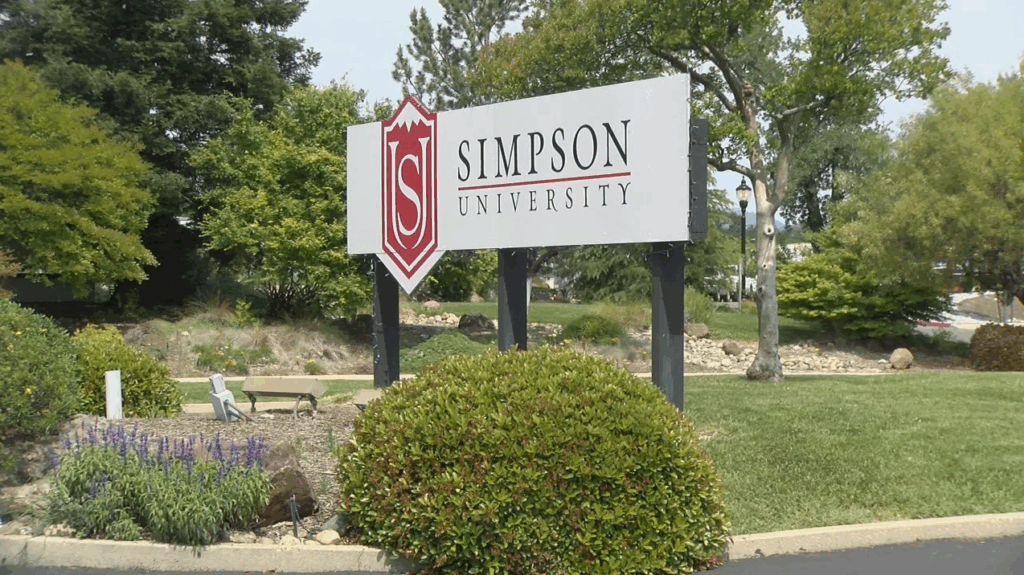
Simpson University’s psychology program combines academic excellence with real-life career preparation. Students work directly with high-tech equipment in laboratory settings instead of just watching graduate students conduct experiments. The small class sizes make this hands-on experience possible.
Your learning at Simpson goes beyond textbooks and lectures. Labs, field experiences, and case studies teach you about social processes, memory, personality, human development, and psychological disorders. This practical approach helps you develop both skills and knowledge.
The psychology program prepares students for many different career paths. Psychological services are needed in schools, hospitals, mental health centers, social service agencies, substance abuse treatment clinics, and private companies. Your Simpson psychology degree opens doors to many professional paths.
Simpson University’s faculty creates a welcoming learning community with personal attention for each student. One student’s words express this perfectly: “My professors had such an effect because they got to know me individually and understand who I am as a person, not just another paper to grade”. Another student shares, “Simpson has given me the chance to build workplace experience and connections with professors and professionals within my field”.
Simpson University helps students grow intellectually and spiritually while preparing them for their careers. Students feel this impact, as one mentioned: “Simpson has really challenged me to open my mind and challenge my beliefs. Simpson has also challenged me to be a better student, and also to get involved in important talks and activities on campus”.
The Student Success Center provides complete support with academic help, career guidance, and personal support throughout your college experience. The university also employs over 200 students in its Facilities department, creating valuable work opportunities on campus.
Programs offered
Simpson University helps students pursue their passion for psychology through several programs. Each program matches different student needs and career goals.
The Undergraduate Psychology Major teaches you the discipline’s core principles. The well-laid-out 40-credit curriculum has 25 credits of common courses. Students learn Introduction to Psychology, Abnormal Psychology, Social Psychology, Cognitive Psychology, Cross-Cultural Psychology, Research Methods, and Theories of Personality. This detailed foundation prepares you for graduate studies or immediate work in psychology-related fields. Your education ends with a Senior Seminar that brings together everything you’ve learned.
Students majoring in other subjects can choose a Psychology Minor to learn about human behavior. The minor needs Intro to Psychology, Abnormal Psychology, plus 12 upper division credits and 15 elective credits.
Working adults can speed up their career growth through Simpson’s Degree Completion Psychology program. The flexible format works well with busy schedules. Students take two classes at once—one online and one in-person—each lasting 7 weeks. This setup helps you learn better while keeping your work-life balance. The program has 12 courses including Marriage and Family, Abnormal Psychology, Research Methods, Cross-Cultural Psychology, and Counseling Skills & Theories.
Students can also choose Simpson University’s fully online Psychology program to complete their degree at their own pace. The program starts with a short online orientation course.
The graduate-level Master of Arts in Counseling Psychology (MACP) prepares California students to become licensed Marriage and Family Therapists or Professional Clinical Counselors. This 68-unit program takes two years. Classes meet two evenings weekly (6-9 PM), and some courses are online. Students get valuable clinical training at practicum sites with licensed professional supervision in their final year. The program meets California Business and Professions Code requirements for both Marriage and Family Therapy and Licensed Professional Clinical Counselor licensure.
Simpson’s psychology programs give students hands-on experience through internships, practicums, or research opportunities. Students learn both theory and practical skills that employers want. Psychology graduates work in clinical counseling, human resources, market research, social services, rehabilitation, and many other fields across public, private, and nonprofit sectors.
Online options
Online psychology education at Simpson University has flexibility as its root. The university designed its online learning options to fit a variety of schedules. Students can maintain their educational quality while managing professional and personal responsibilities.
The Psychology program runs completely online. You can complete your degree without disrupting your current schedule. A brief online orientation course starts the program. This helps students succeed in the virtual learning environment. After orientation, students move through 12 online courses that make up the Psychology major.
Each course runs for 7 weeks, from Monday through Sunday. Students can focus their study with this compressed timeline that keeps workloads manageable. You’ll take two courses at once. This is the quickest way to complete your degree without overwhelming your schedule.
Simpson University uses Canvas as its learning management system for all online coursework. Students submit their assignments each week through this platform. This well-laid-out approach helps you make steady progress. You can complete your work at any time during the day.
The Degree Completion program starts three times a year – January, May, and August. You can start your trip to education when it lines up with your schedule.
Simpson University’s online Psychology program lets you balance education with life’s other priorities. You can move through your coursework steadily while managing work, family, and personal responsibilities without putting your life on pause.
Some programs offer hybrid options that blend online learning with in-person sessions when needed. Students can learn at their own pace and schedule. This balanced approach works great especially when you have a career to advance through higher education while keeping your current job.
Accreditation
Simpson University’s psychology education stands on solid ground with extensive external validation and oversight. The university has managed to keep its accreditation from the Western Association of Schools and Colleges (WASC) Senior College and University Commission (WSCUC) since 1969. This recognition proves the university’s steadfast dedication to high academic standards across all programs.
Simpson University currently holds “Accredited” status as of February 2025. The Commission found that the institution meets all established standards. The latest commission action on February 14, 2025 confirmed this status. This 50-year-old accreditation record shows the institution’s stability and educational excellence.
Program-Specific Accreditations
Simpson’s specialized psychology programs have earned recognition beyond institutional accreditation. The California Board of Behavioral Sciences (BBS) accredits the Master of Arts in Counseling Psychology (MACP) program. This credential confirms that the program meets California’s strict standards for mental health professionals.
The MACP program satisfies specific California Business and Professions Code requirements for:
- Marriage and Family Therapy licensure
- Licensed Professional Clinical Counselor certification
Your education lines up perfectly with state licensing requirements, which removes barriers between graduating and starting your professional practice.
Commitment to Continuous Improvement
Regular participation in accreditation reviews shows Simpson University’s dedication. This process demonstrates the institution’s strength in operational integrity, fiscal stability, appropriate structures, and educational effectiveness.
Simpson University’s upcoming accreditation schedule includes:
- Fall 2027: Special Visit
- Spring 2032: Offsite Review
- Fall 2032: Accreditation Visit
This planned calendar shows Simpson’s proactive stance on maintaining accreditation.
Your psychology education at Simpson University benefits from these accreditations that guarantee program quality, faculty expertise, and relevant curriculum. Simpson’s excellent standing with accrediting bodies matters significantly. It affects your financial aid eligibility, graduate school applications, and professional licensing opportunities, which adds real value to your psychology degree.
Admission Requirements
Simpson University’s psychology programs have specific academic standards you need to meet. The university reviews applications through a tiered system that looks at your academic performance and potential.
New freshmen who want to study psychology fall into three categories. You can get full admission with an unweighted high school GPA of 2.7 or higher. Students with GPAs between 2.3 and 2.69 need to go through Director Review and submit an essay with possible academic conditions. Anyone with a GPA below 2.29 faces Committee Review and must submit an essay, get a recommendation letter, and do an interview.
The process works differently for transfer students, though it’s more efficient. Students with GPAs between 2.3 and 2.69 can enroll with a 13-unit limit in their first semester. Those below 2.29 GPA need to write an academic essay for committee review.
International psychology students must show they’re ready for college-level work and speak English well. You’ll need a minimum 2.7 unweighted GPA and good scores on one of these tests:
- ACT: 19 (16 on English section)
- SAT: 910 (410 on reading/writing)
- PTE: 53
- Duolingo: 110
- TOEFL: 79
- IELTS: 6.5
The Master of Arts in Counseling Psychology (MACP) program has its own standards. You need a bachelor’s degree with a 3.0 cumulative GPA in your last 60 semester credits. The program doesn’t need GRE scores but asks for a personal statement, resume, and two recommendation letters. Students without a psychology or social welfare degree must complete five prerequisites including Introduction to Psychology, Human Development, and either Statistics or Abnormal Psychology.
Simpson makes room for exceptions through provisional acceptance. Some applicants with GPAs between 2.7 and 2.99 might get conditional admission if they show professional promise. Students in addiction recovery must manage to keep their sobriety for one year before starting the program and two years before clinical placement.
New students often start with some conditions. These include a 13-unit enrollment limit, regular meetings with academic advisors, and creating a Student Success Plan. Some programs set the bar higher – pre-nursing, math, and biology freshmen need a 3.2 unweighted GPA and must earn a B or better in Algebra 2.
Tuition
Your psychology education’s financial investment is a vital part of academic planning. Simpson University sets different tuition costs based on your program and academic level.
The current annual tuition for traditional undergraduate psychology students is $39,200 ($19,600 per semester). The total estimated yearly cost reaches $53,564 for students living on campus. This includes $864 in registration fees, housing costs from $6,700, and meal plans starting at $5,400. New students need to add a one-time orientation fee of $300 to their budget.
Students in the Master of Arts in Counseling Psychology (MACP) program pay $690 per credit. A full-time schedule of 12 credits costs $8,280 each term with $432 in registration fees. The program prepares you for California licensure as either a Marriage and Family Therapist or Professional Clinical Counselor.
Simpson University’s tuition for 2025-26 academic year is $40,810, which costs less than the national average of $50,018 for similar schools. The total cost reaches about $58,056 with housing, meals, books, and personal expenses included.
Financial aid makes education more affordable. Students getting need-based aid pay an average net price of $31,819. Family income affects the final cost:
- $22,475 average cost for families earning $0-$30,000
- $19,423 average cost for families earning $30,001-$48,000
- $25,580 average cost for families earning $48,001-$75,000
- $23,172 average cost for families earning $75,001-$110,000
- $29,693 average cost for families earning over $110,001
Merit scholarships at Simpson can reach up to $40,000 based on academic performance. First-year students with 4.0 or higher GPAs might qualify for the $40,000 Founder’s Scholarship. Students with GPAs between 3.50-3.99 could receive the $38,000 Presidential Scholarship.
The university offers monthly payment plans through a third-party company without finance charges. You only need to pay a small $35 non-refundable fee each semester. Simpson’s dedicated team helps create customized financial aid packages that combine scholarships, grants, loans, and work-study opportunities, whatever your financial situation.
Additional Information
Simpson University’s psychology program gives students excellent research opportunities and hands-on experience. Students can present their psychological research through talks, posters, or panel discussions at the 12-year old Student Research Symposium. This professional spring event runs all day and includes keynote addresses and an awards banquet, similar to academic conferences.
Students work closely with faculty members on various research projects. The Institutional Review Board (IRB) oversees all research with human participants to protect ethical standards and participant safety.
The career outlook for graduates remains strong. An impressive 97% of Simpson’s 2024 bachelor’s degree recipients found jobs or started graduate school within six months. Psychology graduates have achieved perfect placement rates. Alumni now work at organizations like Principal Financial Group and pursue advanced degrees at Drake University Law School and The Seattle School of Theology and Psychology.
Simpson’s career support services remain available to graduates throughout their careers. The university’s alumni network extends across 27 states and three countries. Most graduates – 73.7% – stay in Iowa. This strong network helps create mentorship opportunities and professional connections that boost psychology careers.