
San Jose State’s Psychology Programs
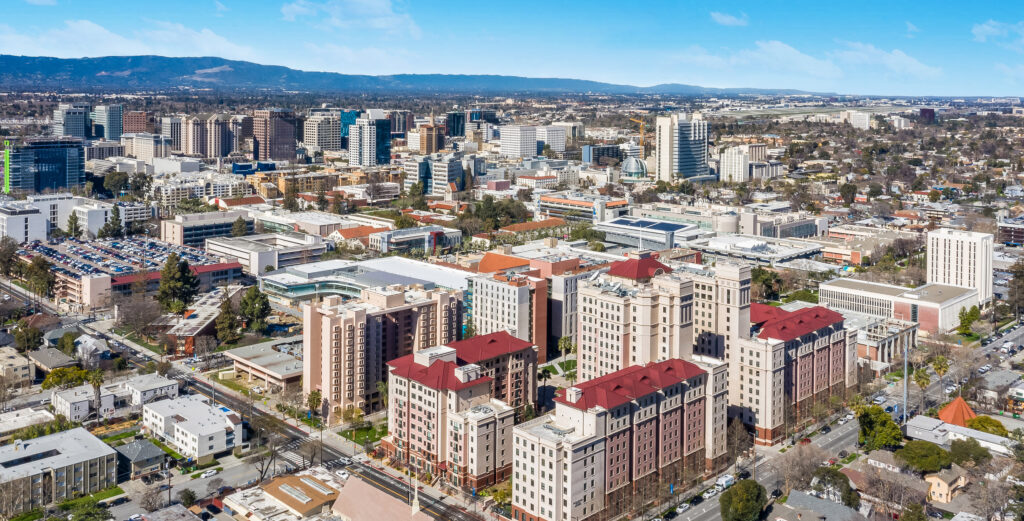
The Psychology Department at San Jose State University sits within the College of Social Sciences and creates a vibrant learning space for psychology students. The department helps students learn about human behavior through scientific methods and studies how people interact with their surroundings. Students get to understand the complexities of human thought and behavior within sociocultural contexts through a curriculum that covers all major psychological fields.
SJSU’s Psychology Department faculty brings expertise in biological, social, abnormal, developmental, industrial/organizational, learning, perception, and cognition. Nearly 50 faculty members create a rich learning environment with their unique viewpoints and research interests, giving students detailed training in psychology’s main branches.
Department Chair Dr. Evan Palmer leads a program that focuses on critical thinking and writing skills. These core abilities combined with deep psychological knowledge help graduates succeed in many career paths. A San Jose State psychology major gives students skills they can use in mental health agencies, hospitals, teaching positions, and business organizations.
The department helps students prepare for graduate training in several fields:
- Clinical psychology and experimental psychology
- Marriage and family therapy
- Teaching and social work
- Law, business management, and human resources
- Public administration
Students can join research projects, fieldwork experiences, and service-learning activities beyond their regular classes. These practical experiences boost their theoretical knowledge and help create well-rounded psychology professionals.
The department’s award-winning undergraduate honor society, Psi Chi, stands out as a point of pride. It hosts the annual Spartan Psychological Research Conference (SPARC) each spring where students get presentation experience. The department also runs other events throughout the year, including the Alan E. Kazdin Endowed Lecture series and regular Psych Forum meetings.
San Jose State University’s Psychology Department wants to develop skilled thinkers who understand human behavior principles and work well in today’s multicultural global society. The department gives students the knowledge and skills they need through detailed education and hands-on experiences to succeed in various psychological fields and make meaningful contributions to society.
Programs offered
SJSU’s Psychology Department offers a detailed range of psychology programs that cater to a variety of educational and career goals. Students get broad exposure to major psychological areas that the American Psychological Association considers the foundations of a strong degree.
The department’s main undergraduate offering is a Bachelor of Arts (BA) in Psychology. New psychology students start in this program. The BA program gives students a solid psychological foundation and lets them customize their studies through elective choices based on their interests. Students need to complete 48 units in the major, which includes both lower and upper division core courses, plus psychology electives.
Students who want more research-focused training can pursue a Bachelor of Science (BS) in Psychology. They need to meet with an advisor before switching from the BA program. The BS program has a structured curriculum with extra science preparation and methodology courses – perfect for students planning research-focused careers. It needs 55 major units and includes more lab work.
The department also offers three graduate programs:
- MA in Psychology (Research and Experimental): Gets students ready for doctoral studies or research careers
- MS in Psychology (Industrial/Organizational): Prepares students to work in organizational settings
- MS in Clinical Mental Health Counseling: Teaches students how to assess, diagnose, and treat mental health issues
These graduate programs are terminal master’s degrees that prepare students for immediate employment rather than just doctoral studies. In spite of that, these degrees meet requirements to teach psychology at community colleges. The Clinical Psychology MS program requires 60 semester units and satisfies California’s course requirements for Marriage and Family Therapist licensure.
The department places high importance on proper course sequencing at both undergraduate and graduate levels. Students must take biological courses before psychobiology, statistics before research methods, and introductory courses before advanced work. Students should talk to advisors and check multi-year planners to create suitable course schedules.
Outstanding undergraduate psychology students can earn departmental honors by keeping a minimum 3.5 GPA in psychology courses and completing exceptional scholarly work.
Online options
SJSU takes pride in its flexible approach to education. Students can choose from many online options in programs of all types. SJSU Online has 100% online bachelor’s degree completion programs that fit students’ busy lives and needs. You can earn your SJSU degree while managing your life, family, and work through this adaptable system.
Psychology students looking for online courses will find different options each term. SJSU Online keeps adding new programs, but not every major has enough online classes yet for a complete remote degree. Students should check class listings carefully when they look into online options for their San Jose State psychology major.
The university runs year-round classes in five 8-week terms. This setup helps students complete their degree requirements faster.
Several things affect how many online psychology courses are available:
- Course offerings change each semester
- Lower division courses are easier to find online
- It depends on teacher availability and what the department wants to focus on
Students have different experiences with SJSU’s online courses. Some really enjoy the freedom that comes with self-paced courses. You’ll find more online options for general education requirements than for advanced psychology courses.
Students who want to mix online classes with their San Jose State psychology degree should know that fully self-paced classes are hard to find. New students might struggle to get spots because online sections fill up fast during registration.
SJSU Online accepts applications three times a year, so you can start soon after getting in. Expert SJSU faculty members who also teach on-campus lead these high-quality learning experiences. Your degree will be just like the one on-campus students get, and you can walk at SJSU’s graduation ceremony.
The psychology department’s advisors can tell you exactly what online options are available each term. SJSU keeps growing its online programs, but each department offers different amounts of online classes based on their resources and goals for the year.
Accreditation
Academic quality at San Jose State University depends on its institutional recognition. SJSU has full accreditation from the WASC Senior College and University Commission (WSCUC), a prestigious body that oversees higher education institutions in California, Hawaii, and the Pacific region. The university received this regional accreditation in 1949 and has managed to keep it since then, which is one of its most important achievements in educational excellence.
The San Jose State University psychology department also holds program-specific recognition. California’s Board of Behavioral Sciences (BBS) has approved the Clinical Mental Health Counseling program. This approval means the curriculum gives students the educational foundation they need to become licensed independent psychotherapists in California. Students pursuing a SJSU psychology degree who want to practice therapy will find this specialized accreditation especially valuable.
Your educational experience benefits from this accreditation status in several ways. Your degree meets quality standards that employers and graduate programs recognize nationwide. WSCUC accreditation also makes you eligible for federal financial aid programs and state funding since it’s required for Title IV federal funding participation.
This accreditation proves that your San Jose State psychology major follows strict educational standards. The university goes through regular reviews – the most recent one happened in June 2022, with the next detailed evaluation set for 2028. These ongoing assessments help maintain high-quality education in all programs.
The psychology programs meet California’s professional licensure requirements. However, SJSU hasn’t determined if its curricula fulfill educational prerequisites for licensure in other states. Students planning to practice outside California after graduation should research whether their San Jose State psychology degree meets other states’ professional requirements.
SJSU’s accreditation credentials show its steadfast dedication to educational quality. The university has many more program-specific accreditations in departments of all sizes, which proves the value of your degree. This detailed accreditation framework will give your psychology education the recognition it deserves from employers and graduate programs throughout the field.
Admission Requirements
Getting into San Jose State’s psychology degree programs depends on meeting specific academic and experience requirements that change based on program level. A good understanding of these requirements will help you create a strong application.
SJSU’s undergraduate psychology programs require you to meet the university’s general admission standards first. The psychology department starts all new students in the Bachelor of Arts program. Students can switch to the Bachelor of Science track later after talking with their advisor.
Graduate program admissions have tougher standards. You need to:
- Have a BA or BS in Psychology OR any bachelor’s degree with at least 30 semester units (45 quarter units) in Psychology
- Keep a minimum 3.0 GPA in all psychology courses AND in your last 60 semester units (90 quarter units) of undergraduate work
- Complete specific prerequisite courses based on your chosen program
The Clinical Psychology MS program has extra requirements. You must show proof of at least 100 hours of paid or volunteer clinical experience working with people in a counseling role. You need this experience before the February 1 application deadline. This requirement shows your genuine interest in helping clinical populations.
Clinical Psychology applicants must submit three recommendation letters. One letter should come from a clinical supervisor, another from a professor who knows your academic work, and the third from either category.
The GRE is no longer part of the admission process for any graduate psychology programs. This change started October 1, 2020, which removed a major barrier for many applicants.
Graduate programs follow the same application schedule. Applications open October 1 with a strict February 1 deadline for fall admissions. The review process happens in February and March, and decisions come out by mid-March.
International students must meet extra requirements. These include English proficiency tests like IELTS, TOEFL, PTE, or Duolingo with minimum score requirements.
Research and Experimental Psychology MA applicants need to submit materials through Cal State Apply. This includes both university graduate studies requirements and program-specific documents like GPA calculations and personal statements.
A well-prepared application package is key to getting into San Jose State’s psychology programs.
Tuition
The cost of your education is a vital part of planning a psychology degree at San Jose State. A detailed understanding of costs will help you make smart decisions about your academic journey.
SJSU charges in-state students $8,846 for tuition and fees. Out-of-state students pay much more at $22,166. These amounts represent the base “sticker price” before any extra costs or financial aid. Students from outside California must pay an additional $444 per unit on top of their simple registration fees.
Your total expenses will go beyond just tuition. Food and housing costs add $16,738, and with books, supplies, and other necessities, in-state students should expect to spend around $29,953 each year. Out-of-state students need about $42,553. These numbers paint a realistic picture of a psychology major’s yearly costs at San Jose State.
Most students pay less than full price thanks to financial aid options:
- First-year students receive an average need-based scholarship or grant of $11,190
- Need-based financial aid goes to 55% of first-year students
- Students get an average of $5,266 in need-based self-help aid through loans and work-study
- Qualified first-year students receive merit-based scholarships averaging $3,146
Your family’s income determines your actual costs. Families earning under $30,000 pay around $10,038, while those making over $110,000 pay about $23,112.
San Jose State University’s psychology department may charge extra fees during your studies. Department-specific course fees, administrative charges ($20), and late enrollment penalties ($200) might apply.
The Financial Aid and Scholarship Office offers a Cost Calculator that estimates your specific expenses. State funding changes can affect these fees, so checking the Bursar’s website will give you current information.
Additional Information
San Jose State’s psychology major provides many resources to improve your academic experience. The department promotes a community focused on “expanding minds and enriching lives.” Students become critical thinkers who apply human behavior principles in our multicultural society.
Student organizations create excellent networking and professional development opportunities. Notable options include:
- Psi Chi – The international psychology honor society that sponsors scholarships and academic events
- Active Minds – Mental health advocacy organization
- Pre-Medical Psychology Club – For students interested in medical applications of psychology
- Human Factors and Ergonomics Society – For those studying human-technology interaction
Students can present their research at the Spartan Psychological Association Research Conference (SPARC) each spring semester. The Alan E. Kazdin Endowed Lecture Series brings prominent psychology scholars to campus each fall, introducing students to state-of-the-art research.
The Student Wellness Center offers brief, goal-oriented care to help define treatment needs. Students typically complete their treatment within a few sessions and see most important improvement. ThrivingCampus tool helps students connect with off-campus therapists who specialize in college student care.
Detailed roadmaps guide both four-year and transfer students through academic planning. The College of Social Science Student Success Center provides additional advising for general education and transfer questions.
Research lab opportunities are a great way to get hands-on experience that employers and graduate programs value. San Jose State University’s psychology department experience goes beyond classroom learning and prepares students thoroughly for future professional challenges.