
Loma Linda University Psychology Programs
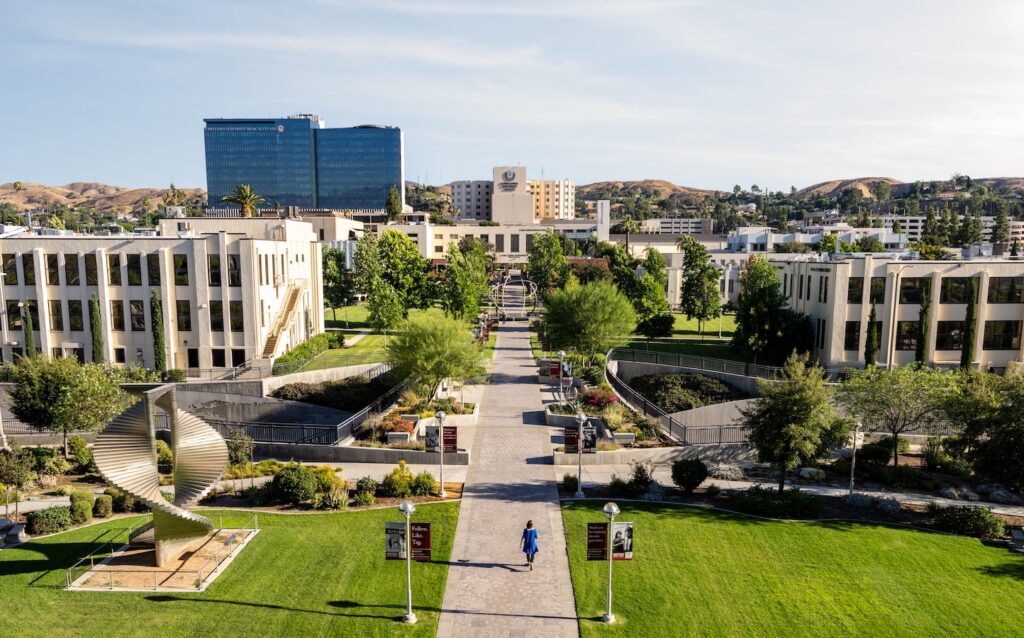
Loma Linda University’s School of Behavioral Health houses its clinical psychology programs and provides an unmatched environment for advanced professional training. The Department of Psychology offers two distinct APA-accredited doctoral programs in clinical psychology. Students can choose between the PhD program that follows the traditional scientist-practitioner model and the PsyD program that follows the practitioner-scholar model with a stronger focus on clinical practice.
Doctoral training at Loma Linda University helps professionals build a strong foundation in psychological theory and science before they become practicing clinical psychologists. This approach lines up with the university’s core mission “to continue the teaching and healing ministry of Jesus Christ to make man whole”.
The clinical PsyD program stands out because it’s located within Loma Linda University Medical Center – the largest medical facility in California’s Inland Empire. Students benefit from unique training opportunities in health psychology, spirituality, and health throughout the lifespan. The program also gives students hands-on clinical experience in community, practice, and medical settings.
The clinical psychology programs’ main goal is to produce graduates who are:
- Scientifically oriented
- Really ethical, intensively trained, and highly skilled psychologists
- Well-prepared as professionals in psychology for the twenty-first century, especially in health-related fields
The PsyD program prepares students who want specialized training in professional clinical psychology practice. It’s one of the few PsyD programs in the country that shares space with a PhD program in a university psychology department.
Students can get specialized training in several high-demand areas like health psychology, neuropsychology, and clinical child psychology. The program takes five years (about 20 quarters) of full-time study to complete.
Training sites offer students a chance to work with different clinical populations. Current students help with substance abuse, hospice care, forensic neuropsychological evaluations, university counseling, severe mental illnesses, PTSD related to military service, geriatric primary care, and many other specialized areas.
The PsyD program focuses on clinical practice training based on understanding and using scientific psychological principles and research. It also helps students understand human behavior through psychological, physical, spiritual, and social/cultural perspectives.
Graduates find careers in general hospitals serving adult and pediatric patients, VA hospitals, community mental health clinics, university counseling centers, military psychology, private practice, and academia.
Programs offered
Loma Linda University runs two different doctoral programs in clinical psychology. Each program has its own educational philosophy and training approach. The PhD program sticks to the traditional scientist-practitioner model with strong research roots, while the PsyD program follows the practitioner-scholar model that puts more weight on clinical practice.
Students can finish the PsyD program in five years (about 20 quarters of full-time study). The PhD program takes longer at six years (roughly 24 quarters). Both programs have full accreditation from the American Psychological Association (APA).
Students must pick one of these four specialization areas based on their interests and career goals:
- Clinical Generalist – Gives broad training in psychological treatment approaches and assessment skills to prepare students for clinical settings of all types
- Clinical Child and Adolescent Psychology – Centers on child-oriented assessment, treatment, and research methods
- Health Psychology and Integrated Care – Teaches students to deliver care in medical settings like primary care clinics and hospitals
- Clinical Neuropsychology – Looks at brain-behavior relationships and how neurobiological mechanisms affect cognition
The PsyD program stands out by getting students into clinical work early. Students start working in supervised clinical settings after their first year. They spend their second year at the psychology clinic and move on to various clinical placements at Loma Linda University Medical Center during years 3 and 4.
Both programs have detailed coursework that covers psychological science basics, quantitative/research foundations, wholeness, psychological assessment, and evidence-based treatments. The PsyD program spends more time on clinical practice, while the PhD program focuses more on research training.
Training sites come in many varieties, giving students chances to work with different populations. Current students help with substance abuse, hospice care, forensic neuropsychological evaluations, university counseling, severe mental illnesses, PTSD from combat, geriatric primary care, and pediatric obesity, among others.
Both programs aim to train psychologists who know their psychological theory and science well, even though they focus on different models. The department also gives students a master’s degree in psychology after they complete the required coursework (52 units) in either doctoral program. Keep in mind that Loma Linda doesn’t accept students who only want to pursue an M.A. degree.
Online options
Loma Linda University’s Clinical PsyD program takes a traditional approach to doctoral training in psychology, while many other educational institutions have moved toward digital learning formats. The Department of Psychology delivers all courses on campus and does not offer online courses for its psychology programs. This campus-based model shows the program’s steadfast dedication to hands-on clinical training and face-to-face learning experiences.
Loma Linda University adopts digital education across different disciplines, but the Clinical PsyD program stays exclusively in-person. The School of Behavioral Health runs several online programs, yet psychology doctorate programs don’t make the list. Students can complete certificates in Drug and Alcohol Counseling and Play Therapy online. The DMFT in Marital and Family Therapy and MSW in Social Work are also available online. However, clinical psychology doctoral programs require students to be physically present on campus.
This approach differs from the current direction of psychology education in California. Mental health professionals are needed more than ever, and many institutions have created flexible paths to earn doctorate degrees in psychology. Several outstanding PsyD and PhD programs in California now give students options to learn online or in hybrid formats. These options help busy professionals and students who juggle multiple responsibilities.
Other institutions typically offer these formats:
- Fully Online Programs: Students complete all coursework through virtual platforms and do their practicums and internships locally
- Hybrid Programs: Students mix online coursework with occasional campus visits to get both convenience and hands-on experience
- Self-Paced vs. Cohort Models: Students can either progress at their own pace or move through the program with peers
Loma Linda’s choice to keep an exclusively on-campus program lines up with its focus on immersive clinical training in its medical environment. The program’s connection to Loma Linda University Medical Center creates exceptional training opportunities that online formats can’t match.
Future students should expect full-time, in-person participation throughout their five-year study period. Those who want more flexible options in clinical psychology might find better fits at other California institutions. These alternatives might lack Loma Linda’s special focus on health psychology within a major medical setting, but they offer more scheduling flexibility.
Accreditation
APA accreditation plays a vital role in clinical PsyD programs. It shapes your future career opportunities and licensure eligibility. The Doctor of Psychology (PsyD) and Doctor of Philosophy (PhD) degrees in clinical psychology at Loma Linda University have earned full accreditation from the American Psychological Association (APA). This recognition shows the program’s steadfast dedication to educational excellence.
Loma Linda University’s Psychology Department meets all APA accreditation requirements. This accreditation proves that students will gain the educational and scientific foundation they need for a successful psychology career.
The Clinical PsyD program’s next accreditation renewal comes up in 2029. The Clinical PhD program will also seek renewal that same year. These timelines show how program quality stays consistent through regular evaluations.
Loma Linda’s PsyD curriculum follows the Standards of Accreditation for Health Service Psychology. The university openly shares Student Admissions, Outcomes, and Other Data with current students, future applicants, and the public. This openness shows the program’s trust in its educational quality.
Loma Linda University has also earned regional accreditation from the Western Association of Schools and Colleges (WASC) Senior College and University Commission. This institutional accreditation further proves the university’s high educational standards.
APA accreditation matters deeply. State licensing boards often require it for licensure eligibility. Internship programs prefer candidates from accredited programs. Employers value these degrees as proof of proper training.
Without doubt, Loma Linda University’s dual accreditation in clinical psychology doctoral programs gives students a major advantage. They know their education meets nationally recognized standards of excellence.
Admission Requirements
Getting into Loma Linda University’s clinical PsyD program requires meeting specific admission criteria. These criteria help identify students who will thrive in this challenging program. A good understanding of these requirements will boost your chances of acceptance.
Your educational background forms the foundations of your application. Loma Linda prefers a bachelor’s degree in psychology but accepts degrees from other fields. This shows their recognition that valuable points of view come from different academic backgrounds. Your academic performance must show strong scholarly ability with an undergraduate GPA of 3.0 or higher on a 4.0 scale. Students with graduate work need a master’s degree GPA of 3.3 or higher from a regionally accredited program.
Your application needs three letters of recommendation. These letters should come from professionals who aren’t related to you and can assess your graduate education potential. Two letters should come from current or previous professors. The admissions committee uses these recommendations to learn about your academic abilities and professional potential beyond what transcripts show.
Meeting the original criteria might lead to an invitation for a structured pre-admission interview. This interview gives faculty a chance to review your fit with the program. You should really research Loma Linda’s clinical psychology approach before this conversation.
The application deadline is December 1 for fall quarter admission. Note that Loma Linda’s Department of Psychology only accepts new students for fall quarter enrollment.
International students face additional requirements. They must take the TOEFL exam and score at least 550 on paper-based tests or 80 on internet-based tests.
Of course, faculty sometimes make exceptions to these requirements. These decisions come from their full picture of your application and credentials. Several factors can influence these decisions: your scholarship record, specialized research training, academic institution quality, recommendation letter strength, and previous clinical experience.
PsyD students must complete all required coursework to start their internship. They also need to pass all sections of the comprehensive exam and defend their doctoral project proposal.
Tuition
The cost of a clinical PsyD program at Loma Linda University is a major financial step that you need to plan carefully. The average graduate school tuition and fees for 2023-2024 were $32,900. Students pay $29,000 in tuition plus $3,900 in fees. If you’re studying part-time or taking extra credits, each credit hour costs $899.
Here’s some good news – 80% of Psychology department students get some type of financial aid. You’ll find several ways to reduce these costs through different support options.
First-year students can receive partial tuition awards from the Department of Psychology. These awards range from $5,000 to $10,000. Your GRE scores play a key role in merit-based awards. You’ll need combined percentile ranks of 150+ on Verbal and Quantitative subtests, and 4.5 or higher on Analytical Writing.
Loma Linda has created several specialized financial support programs:
- The Primary Care Psychology Pipeline Program (4P) gives eligible students up to $30,000 yearly ($90,000 over three years) when they commit to working in medically underserved communities
- Special tuition reduction awards exist for diverse students and those who identify as Seventh-day Adventist
- Students get $400 to present research at national or regional professional conferences
- A $10,000 tuition waiver is available for underrepresented groups
Some students might qualify for full tuition coverage through faculty grants. The School of Behavioral Health also helps with conference travel costs – $500 for domestic and $1,000 for international presentations.
Federal loans often work better than private ones because they have lower interest rates. Some don’t charge interest until after graduation. Most graduates end up with around $140,000 in student loan debt, which shows why it’s smart to look into every financial aid option available.
Additional Information
Loma Linda’s PsyD program shows remarkable success rates that prove how well it works. Students typically finish the program in 5.47 years, and 71% complete it in exactly 5 years. The program’s graduates between 2014-2024 achieved a 75% licensure rate, which shows excellent professional preparation.
The program excels at internship placements. Last year’s statistics reveal that 93% of 2023-2024 applicants got APA/CPA-accredited internships. Students have consistently secured paid internships in the last decade, which gives them professional experience and financial support.
The program’s strategic collaboration with VA Loma Linda Healthcare System benefits students significantly. The healthcare system runs its own APA-accredited psychology internship and postdoctoral residency programs. Students interested in veteran care get more training opportunities through this partnership.
Students can access various funding options beyond regular tuition assistance. They can reduce their loan burden by working as teaching assistants for 5-10 hours weekly or as research assistants through Federal Work Study. Advanced students can teach undergraduate psychology at LLU or nearby universities.
The Student Assistance Program supports students with unlimited confidential counseling sessions at just $10 per visit. Students can also see dedicated psychiatrists who don’t participate in student evaluations, which ensures private mental health care.