
Fuller Seminary’s Psychology Programs
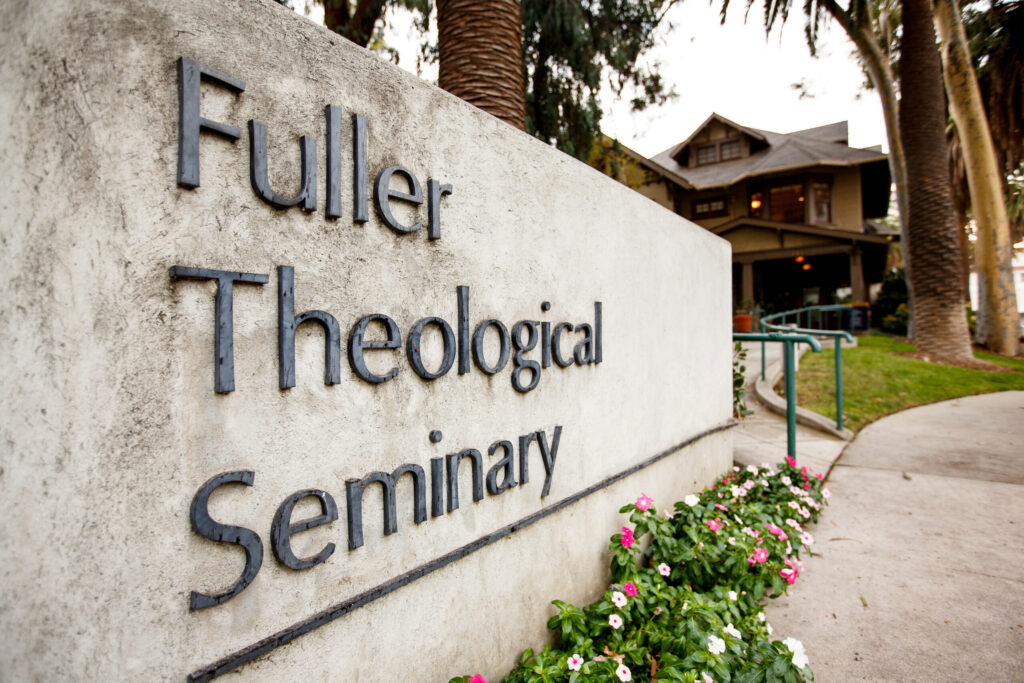
Fuller Seminary leads the way in clinical psychology education, especially in California. This 59-year-old School of Psychology at Fuller has broken new ground by combining psychology and Christian theology. Fuller made history as the first institution to offer an accredited doctoral program in clinical psychology with a Christian focus.
Students from across the globe have benefited from Fuller’s strong psychological and theological education for more than 50 years. This steadfast dedication to excellence has made Fuller a pioneer in faith-integrated psychological training.
Fuller’s educational philosophy centers on combining psychology and theology—a unique approach that spreads through the entire curriculum. The school doesn’t view these fields as opposing forces. Instead, it brings together the best of Christian theology with modern psychological science and practice.
The PhD in Clinical Psychology program opens multiple career paths. You’ll gain skills to create and publish research, teach at all levels from undergraduate to postdoctoral, and provide therapy and assessment services. Most students complete this detailed training in six years.
Fuller’s program stands out because of its interdisciplinary theological focus. While other programs might include some faith elements, PhD students here complete 52 theology units from the School of Mission and Theology. This deep theological foundation helps Fuller graduates become leaders in combining faith and psychology.
Fuller’s faculty boost the learning experience with their expertise in both fields. These respected scholars and practitioners are dedicated Christians who naturally weave their faith into courses, research projects, and clinical training. Students develop professional excellence and spiritual growth together through this unique mentorship.
Clinical training plays a vital role in the program. Second-year PhD students receive supervised training at Fuller Psychological and Family Services (FPFS), an on-site community clinic at the Pasadena campus. FPFS offers therapy in four languages plus neuropsychological and personality assessments, which gives students practical experience.
Fuller has also built partnerships with over 50 local mental health agencies throughout Los Angeles. This network gives students exposure to different clinical populations and settings. Each year, their experiences become more specialized.
Faculty and students cooperate on dozens of research projects to advance knowledge in neuropsychology, stress and trauma, worship and health, and religion’s role in psychotherapy.
Programs offered
Fuller Seminary’s California campus features two distinct doctoral programs in clinical psychology. The PhD in Clinical Psychology follows the scientist-practitioner model. Students learn to generate research, teach in academic settings, and provide therapy and assessment services. The PsyD in Clinical Psychology follows the practitioner-scholar model. This program prepares professionals to deliver psychotherapy, conduct assessments, and develop innovative treatment programs.
The PsyD program has earned notable recognition. US News and World Report ranked it highest among Christian Integrative Clinical Psychology Programs in 2022. The program achieved a perfect 100% internship match at APA-accredited sites for 2023. Students can complete this five-year program by choosing between two specialized tracks: Neuropsychology or Culture and Community.
The PsyD curriculum’s structure spans several categories. Students complete General Psychology (40 units), Clinical Psychology (48 units), Psychology Electives (12 units), Dissertation Research (8 units), Theology (28 units), Integration of Psychology and Theology (20 units), and Field Training (86 units). The total requirement is 242 units. Students earn a Master of Arts in Psychology after completing 88 selected units.
Students typically complete the PhD program in six years. The clinical training becomes more specialized each year. Second-year students train at Fuller Psychological and Family Services (FPFS), which gives them great hands-on experience.
Fuller also offers master’s-level programs in related fields. The Master of Science in Marriage and Family Therapy prepares students for licensure as skilled therapists with theological understanding. Licensed therapists can pursue the Doctor of Marriage and Family Therapy, a hybrid program that provides advanced clinical training.
Fuller’s network includes partnerships with more than 50 local mental health agencies throughout Los Angeles. Students gain experience with clients from different backgrounds and settings as they progress through their programs.
Online options
Learning about educational pathways to a clinical psychology doctorate in California needs flexibility in course delivery. Fuller Seminary understands graduate students’ diverse needs and offers several class formats that match different priorities and life situations.
The seminary provides multiple ways to take academic programs. Students can access Online Classes through the Canvas learning management system over a ten-week period. These courses need regular participation and help you connect with professors and fellow students throughout. This setup lets you deeply engage with course materials while you retain control of your schedule.
Hybrid Classes work great for students who like both remote and in-person learning. These courses start in Canvas with weekly interactive assignments. They then move to an intensive on-campus session before heading back online for the rest of the term. This mix brings together the ease of distance learning with real classroom instruction.
Fuller Seminary expanded its reach through Fuller Live Classes. These innovative sessions happen in a physical campus classroom and connect with students at other locations through live, interactive audio/video technology. Students get an immersive classroom experience whatever their location.
The PhD in Clinical Psychology program has specific on-campus requirements, unlike some of Fuller’s theological degrees that you can complete online with “no requirements to visit a campus”. The doctoral psychology programs need substantial in-person clinical training.
Notwithstanding that, Fuller’s dedication to accessibility means some coursework can use online and hybrid formats where suitable. This flexibility helps a lot during the academic parts of your experience.
Fuller’s extensive background with digital learning platforms benefits all students. The seminary keeps improving its online educational approach to create meaningful connections between students and professors and shared learning among peers.
Fuller creates educational pathways that respect both psychological training’s high standards and students’ real-life situations by mixing these class formats. These flexible options could help you plan an educational path that lines up with your professional goals and personal circumstances as you think over a PhD in clinical psychology in California.
Accreditation
APA accreditation stands out as a key quality marker for PhD programs in clinical psychology throughout California. Fuller Seminary’s doctoral psychology programs have earned this prestigious APA accreditation, which represents the highest standard of approval.
The APA granted Fuller’s psychology programs a 10-year accreditation extension in 2019. This represents the maximum term possible based on the professional judgment of the APA Commission on Accreditation (CoA). The administration at Fuller points to this extended period as a strong endorsement of their programs’ “strength, quality, and sustainability”.
The path to this recognition took 30 months, starting in May 2017. The assessment process was detailed. Programs went through self-studies that addressed 48 accreditation standards. The responses filled 360 pages with 91,000 words. Site visitors toured facilities, reviewed documents, and talked with students, faculty, staff, and administrators.
Fuller Theological Seminary has also earned institutional accreditation from the Western Association of Schools and Colleges Senior College and University Commission (WSCUC). This covers all degrees and academic certificates. The Association of Theological Schools separately accredits the seminary’s theological programs.
Students who think about pursuing a PhD in clinical psychology in California can trust these accreditations as quality indicators. APA accreditation specifically ensures your training meets professional psychology education standards.
Fuller’s renewed accreditations show their steadfast dedication to academic excellence. This strong accreditation history offers valuable reassurance about the quality of Fuller Seminary’s psychology education as you review doctoral programs in clinical psychology.
Admission Requirements
Fuller Seminary’s PhD program in clinical psychology California combines academic excellence with faith-based learning. The program has specific requirements that show your academic readiness and how well you line up with their faith-integrated approach.
The online application opens on August 1 each year. You can save money and get priority review by submitting your materials by the early deadline of November 1. After this date, you’ll need to pay a non-refundable $50 fee until December 1, the final deadline.
Your application package must include:
- A completed application form with religious autobiography and additional essays
- Official transcripts showing a bachelor’s degree from an accredited institution, with a competitive GPA of 3.0 or higher
- Four references: one pastoral and three academic from people who know your work or academic background well
- A formal resume or curriculum vitae
- Research interest statement (for PhD applicants)
Students with a bachelor’s or master’s degree in psychology or related fields can apply directly if they have a minimum 3.0 GPA. But if your degree is in another field, you’ll need to complete five simple psychology courses, including Statistics, before you can start.
GRE scores aren’t required but might make your application stronger. The same goes for the GRE Psychology Subject Test (PGRE) – it’s optional but could help your chances.
International students who aren’t native English speakers need an official TOEFL score (minimum 100 internet-based or 600 paper-based) or IELTS score (minimum 7.0) from tests taken in the last two years. You might get a waiver if you’ve finished a master’s-level degree in English, but you’ll need to write a detailed 300-400 word letter about your English background.
The admissions team invites selected candidates for interviews, which are crucial to the process. Early applicants interview in late January, while regular applicants meet in mid-February. Getting an interview doesn’t guarantee you’ll get in.
Accepted students must pay a confirmation deposit to secure their spot in the PhD program.
The selection process looks at both your academic achievements and personal growth. Fuller seeks students who can excel in their unique blend of psychological science and Christian faith.
Tuition
A PhD in Clinical Psychology at California’s Fuller Seminary requires careful financial planning. The program represents one of the most important financial commitments you’ll make, and Fuller Seminary provides several funding options to help with your doctoral education costs.
Students typically need six or more years to complete their PhD in Clinical Psychology. Fuller’s mean completion time exceeds 6 years. The total tuition costs can reach $210,000 based on recent yearly estimates of $35,000. These costs reflect your education’s detailed nature since psychology doctorate programs combine intensive clinical training with academic coursework.
Fuller’s financial aid options help students manage their education costs. PhD students can receive need-based scholarships up to 15% of tuition along with federal loans. Merit-based scholarships ranging from $1,000 to $45,000 are also accessible. Need-based aid requires an application, but your admission application automatically qualifies you for merit scholarships. You can apply for many more merit-based scholarships as you advance through your academic years.
Federal Direct Unsubsidized loans support U.S. citizens and permanent residents with up to $20,500 yearly. Clinical Psychology students can borrow up to $224,000 in federal loans throughout their education. The loan repayment amounts need careful review – borrowing $224,000 at 6% interest leads to $2,987 monthly payments on a standard 10-year repayment plan.
Fuller’s payment system accommodates different situations through multiple methods:
- Third-Party User Accounts let you authorize others to make payments on your behalf
- Checks mailed directly to the seminary with your student information
- International payment options via Transfermate and Flywire make transfers from abroad convenient
Your budget should include expenses beyond tuition. Living costs in California, books, fees, and personal expenses need consideration. Federal loan funds can help with these costs but cannot be used for automobile purchases or easing credit card debt.
The Office of Finance & Accounting provides customized guidance about current tuition rates, payment options, and financial aid opportunities throughout your educational experience.
Additional Information
Fuller Seminary’s PhD in Clinical Psychology program offers unique opportunities that improve your educational experience. The program stands out with an impressive 100% internship match at APA-accredited sites for 2023.
Research forms the foundation of your doctoral experience. Students join faculty-led research labs and work together to complete their dissertations. Your dissertation should contribute original scholarly work that analyzes or provides new insights into psychological practice. Students present their innovative integration work at the annual Fuller Symposium on the Integration of Psychology and Theology.
The program lets you choose specialized tracks. You can focus on the Neuropsychology Track with courses in neuropsychology, pharmapsychology, and physiological psychology. Another option is the Culture and Community Track that explores ethnocultural groups and community psychology. These concentrations help shape your career path.
Advanced students can qualify for Clinical Psychology Fellowships based on their leadership in research labs and academic excellence. These competitive awards provide $15,000 total for the academic year ($5,000 per quarter).
Fuller’s integration approach makes it unique among California’s clinical psychology programs. Christian integrators at Fuller take personal responsibility to involve their faith traditions. This creates both theological and psychological growth. The program prepares graduates who can address psychological needs while respecting spiritual dimensions—an integrated approach that modern clinical practice values highly