
Cal Poly Pomona Psychology Programs
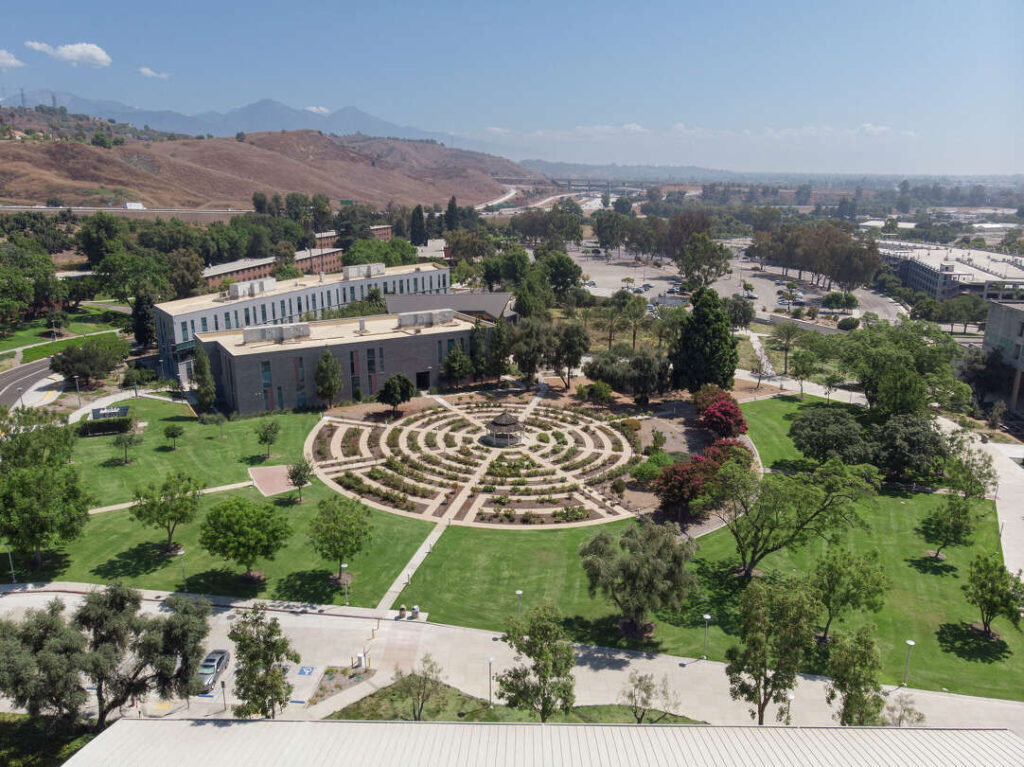
Cal Poly Pomona’s Psychology Department, part of the College of Letters, Arts, and Social Sciences, gives students a vibrant to learn about human behavior from multiple views. Students get ready for success in their academic, professional, and personal lives through quality education, research projects, and career growth activities.
The Cal Poly Pomona psychology program stands out with its approach to behavioral science. Students study developmental, social, cognitive, clinical, and physiological areas of psychology. They also get specific training in research methods and statistics. This mix helps graduates build both theory knowledge and hands-on skills they need to advance their careers or continue their education.
Student research plays a big role in the undergraduate experience of this school. Faculty members conduct research in areas like mental representation, multicultural psychology, memory and executive function, health psychology, leadership, and social change. Psychology students can join faculty teams to learn about well-being, intergenerational trauma recovery, and social-emotional learning.
The department has 18 tenure-track professors who specialize in almost every major field of psychology. Their wide range of expertise creates a rich learning environment where students can study different psychological views with expert guidance.
U.S. News & World Report’s 2025 Best Colleges Ranking places Cal Poly Pomona as the #2 Top Public School in the West. This ranking shows the high-quality education students receive in the psychology program.
Cal Poly Pomona’s “polytechnic approach” shapes how students learn. Students don’t just study theories – they use psychological concepts in real-life situations through practical work. This hands-on focus builds skills that prepare students for jobs or graduate school.
Programs offered
Cal Poly Pomona’s Psychology Department gives students a complete academic experience with both theoretical knowledge and practical skills in psychology. Students can choose between two main degree programs and a minor option.
The Bachelor of Arts in Psychology (120 units) is the foundation of undergraduate studies. Students get broad exposure to multiple psychological disciplines and learn research methodology and statistical analysis. The well-laid-out curriculum needs 27-28 units of core courses. These courses include Introduction to Psychology, Research Methods, Statistics, and Experimental Psychology.
This program stands out because of its flexible specialized emphasis areas. Students can shape their education by choosing from seven distinct emphases:
- Developmental Psychology – focusing on human growth across the lifespan
- Clinical Practice – preparing for counseling and therapeutic careers
- Social Psychology – about how people interact and group dynamics work
- Industrial/Organizational Psychology – applying psychological principles in workplace settings
- Cognitive Psychology – studying mental processes and information processing
- Biopsychology/Health Psychology/Neuropsychology – learning about biological bases of behavior
- Pre-Doctoral – specifically designed for students planning advanced graduate study
Students can pick any four courses from these emphasis areas (12-16 units) without choosing a specific concentration. The curriculum also has 12-13 units of breadth electives that cover core psychological domains. This approach helps students develop specialized knowledge in their interests while building a strong foundation in psychology.
The department also offers a Master of Science in Psychology that prepares students for Marriage and Family Therapy (MFT) licensure in California. This two-year intensive program helps graduates become skilled at conducting individual, couple, family, and child/adolescent therapy. The curriculum meets California Board of Behavioral Sciences (BBS) requirements and has Western Accreditation of Schools and Colleges (WASC) approval.
The MS program carefully selects only 16 students from about 200 applications each year. Students need a minimum 3.2 undergraduate GPA, a bachelor’s degree in psychology (or related field with equivalent psychology coursework), and must show interest in clinical practice.
These programs showcase the department’s steadfast dedication to delivering quality psychological education. Students get strong theoretical foundations and practical skills that prepare them for immediate careers or advanced graduate studies.
Online options
Students balancing work and academic life need flexible psychology program options. Cal Poly Pomona does not offer a fully online Bachelor’s degree in Psychology. The university takes a hybrid approach to make education more available.
A complete online psychology degree isn’t an option yet. The university’s Counseling and Psychological Services department runs virtual workshops without participant limits. Students can attend these sessions flexibly. These workshops are a great way to get extra learning opportunities outside regular classes.
Psychology students can tap into campus-wide online resources. The Learning Resource Center gives students both real-time and self-paced tutoring options. Students can connect through Zoom, submit work on Canvas, or get help with writing assignments, applications, resumes, and personal statements. These digital tools make academic support available from any location.
Cal Poly Pomona’s College of Professional and Global Education (CPGE) runs several online programs for professional growth. Busy professionals can boost their job skills or explore new careers at their own pace. Keep in mind that Cal Poly Pomona Enterprises sponsors these programs rather than university faculty. So they don’t count toward academic credit or degree requirements.
The university keeps growing its digital programs. The CIS department plans to launch an online AI certification program called “Artificial Intelligence Strategy and Applications for Business”. This shows the university’s steadfast dedication to expanding online education, which might include psychology programs in future terms.
Students who want maximum flexibility can work with Extended, Professional and Continuing Education (EPaCE). This self-support unit partners with the university to make Cal Poly’s academic programs more available. They offer various education options, including online courses. While not focused on psychology, these resources show how the university adapts to distance learning needs.
Students should expect a mainly campus-based experience at Cal Poly Pomona’s psychology program. Online resources complement the traditional learning experience rather than replace it.
Accreditation
The quality and legitimacy of any psychology program depends heavily on its accreditation status. Cal Poly Pomona has earned regional accreditation from the WASC Senior College and University Commission (WSCUC). This recognition will give students confidence that the psychology department meets and surpasses the standards for higher education institutions.
The university’s connection with WSCUC is 54 years old, dating back to 1970. Cal Poly Pomona has shown its steadfast dedication to academic excellence and institutional quality through these years. Maureen A. Maloney serves as the staff liaison between WSCUC and Cal Poly Pomona, handling all accreditation activities.
Cal Poly Pomona currently holds “Accredited” status, which means it meets all WSCUC Standards. The university received reaffirmation of accreditation for 10 years – this is a big deal as it means that this is the maximum duration WSCUC offers. This achievement highlights the university’s effective planning and its drive to improve education continuously.
WSCUC’s latest review of Cal Poly Pomona’s accreditation took place on February 16, 2024. A special team visited the campus in Fall 2023 to evaluate specific areas mentioned in the WSCUC Commission Action Letter.
The Master of Science in Psychology program at Cal Poly Pomona maintains proper accreditation. Students who want to become licensed Marriage and Family Therapists (MFT) will find that this program meets both the Board of Behavioral Sciences requirements and WASC standards.
The university’s detailed accreditation history benefits psychology students in several ways. Your degree will have recognition from employers and other schools. You’ll get an education that meets the field’s quality standards. The accreditation also helps with federal financial aid access and makes credit transfers easier between institutions.
Students who plan to pursue careers needing licensure or certification should know that attending an accredited school is a vital first step. This foundation supports your long-term career goals effectively.
Admission Requirements
Cal Poly Pomona’s psychology programs have specific academic standards for both undergraduate and graduate levels that students must meet to gain admission.
Undergraduate psychology applicants must meet basic California State University eligibility requirements. Students who want to transfer need a minimum 2.00 GPA in their transferable coursework. They should complete at least 60 transferable semester units, with 30 units in General Education. The ‘Golden Four’ courses must be completed with a C- or higher. New freshmen should complete all A-G requirements and earn C- or better grades. Psychology majors must keep their cumulative GPA at 2.0 in core courses to earn their degree.
The Master’s in Psychology program sets the bar substantially higher. MS program candidates need an undergraduate GPA of at least 3.2. This GPA requirement is strict – the program won’t review applications below 3.2. Competition is fierce as only 16 students make it through each year from about 200 applicants. This results in a selective 10% acceptance rate.
Graduate applicants must have a bachelor’s degree in psychology with 24 semester units or 36 quarter units in psychology. The program might accept students from related fields who have finished equivalent psychology courses. This becomes vital especially when you have clinically-focused subjects like Abnormal Psychology and Theories of Counseling.
MS candidates must submit these materials:
- Three letters of recommendation (minimum two from professors)
- Personal statement (maximum 2000 words)
- Completed online application
- All undergraduate transcripts
- Current resume/CV
Fall admission applications are due by February. International students have an earlier deadline of January 15. Students can start applying from October 1 of the previous year.
Selected candidates get interview invitations – a vital step in choosing final candidates. These interviews usually happen in late February or early March.
Cal Poly Pomona’s MS in Psychology stands out by not requiring GRE scores. The selection team takes an integrated approach and reviews applications based on several factors. They look at bilingual abilities, work experience in the field, and personal background along with academic achievements.
Tuition
The cost of your psychology education plays a vital role in college planning at Cal Poly Pomona. Your tuition rates will depend on where you live and how many units you take.
California residents who enroll full-time (7+ units) during 2025-2026 will pay $3,225 in tuition per semester. Campus fees add $848.11, plus a $2 Student Involvement and Representation Fee (SIRF), which brings the total to $4,075.11 per semester. Students taking part-time classes (0-6 units) pay less – $1,869 per semester in tuition, making their total $2,719.11.
Students from outside California need to budget more. They pay the regular tuition and fees plus $444 per unit without any yearly limits. Taking 15 units each semester (30 units yearly) adds $13,320 to your annual expenses. This means non-resident students pay a total of $21,468 yearly.
The Western Undergraduate Exchange (WUE) program helps eligible non-resident students save money. Students who qualify pay reduced annual tuition and fees of $11,372. You’ll need to maintain a 2.0 GPA, stay enrolled full-time, and keep your non-California residency status to continue with WUE benefits.
Psychology students can access several financial aid options:
- Cal Grant A and B – These cover the Systemwide State Tuition Fee if you’re eligible and live in California
- State University Grant (SUG) – You can qualify with a Student Aid Index of $3,250 or less
- California Middle Class Scholarship – Available to families earning up to $201,000
Your enrollment status affects your financial aid at Cal Poly Pomona. Cal Grants adjust based on your units: you get full awards for 12+ units, 75% for 9-11.9 units, and 50% for 6-8.9 units.
Living arrangements impact your total costs significantly. California residents should expect to pay between $24,322 as commuters and $34,828 for off-campus housing during 2025-2026.
Cal Poly Pomona’s affordable education has earned recognition from Kiplinger’s Personal Finance magazine, ranking among the top 100 best-value public colleges.
Additional Information
Cal Poly Pomona’s Psychology Department offers multiple research opportunities through faculty-led research labs. The Prosociality and Well-being Lab breaks down the mechanisms of prosocial development in young adults. The Transformational Research Lab uses positive and social psychology approaches to help students achieve their potential. Students can work in specialized facilities like the I-RISE Lab that studies lived experiences of immigrants of color. The Socioemotional Lab looks at how social-emotional learning connects with social justice.
The department provides detailed student support services to boost your educational experience. Students can access confidential, short-term mental health services through Counseling and Psychological Services (CAPS). These services include individual, group, and couple psychotherapy. CAPS holds accreditation from the International Accreditation of Counseling Services through 2025.
Students can build professional experience through research projects with faculty mentors. Faculty members ask students to commit at least one full semester to their lab. This hands-on experience becomes valuable when applying to graduate schools. Research-active students can join a year-long Senior Project capstone series.
The Behavioral Sciences Scholarship supports full-time undergraduate psychology students with a minimum 3.00 GPA. Students can also find volunteer opportunities through the Cal Poly Center for Community Engagement.