
Cal Poly Humboldt Psychology Programs
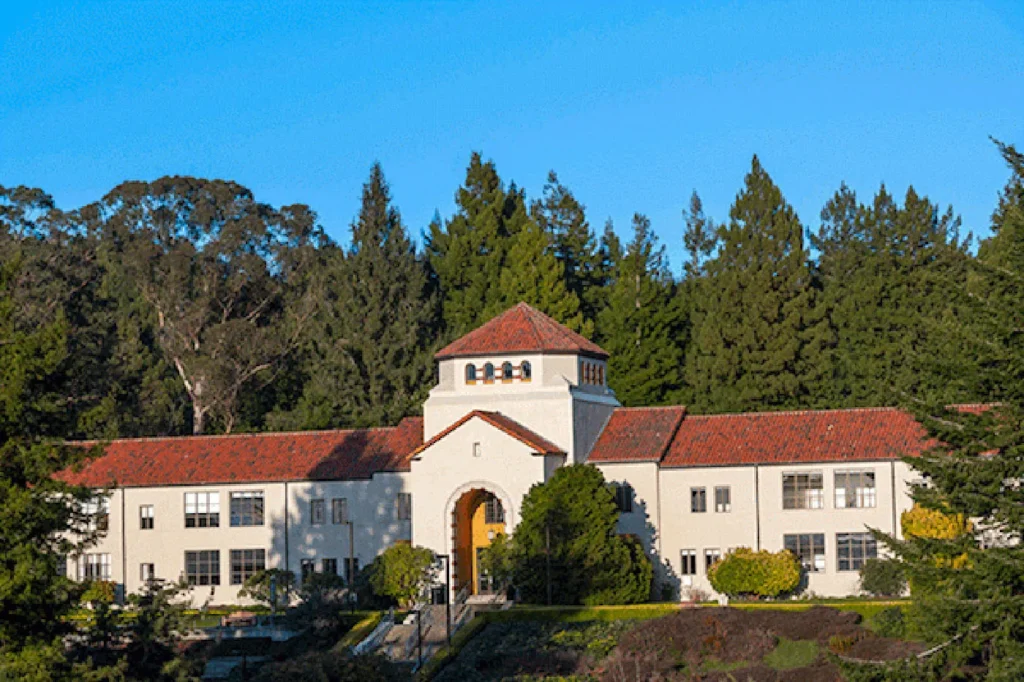
Cal Poly Humboldt’s psychology program stands out among California’s educational institutions. Students who head over to the psychology department at this Northern California campus will find a perfect mix of rigorous academic training and practical experience that prepares them for careers of all types.
The psychology program at Cal Poly takes a scientific approach to understanding human behavior and mental processes. Faculty members conduct research in psychological disciplines of all types, from clinical psychology to developmental psychology and neuropsychology. This research-focused environment helps students develop critical thinking skills and gives them hands-on experience with modern psychological methods.
Cal Poly Humboldt’s psychology program shines through its steadfast dedication to experiential learning. Students get many chances to work on research projects, serve their community, and complete internships that connect theory with real-world practice. These experiences are a great way to get an edge in graduate studies or the job market.
Small class sizes, especially in upper-division courses, ensure students receive individual attention from expert professors. This close-knit learning environment encourages strong bonds between students and faculty, which often lead to mentorship opportunities lasting well beyond graduation.
Students looking to further their education can join Cal Poly’s psychology masters program, which provides specialized training in counseling psychology. The program prepares graduates to become licensed Marriage and Family Therapists or Professional Clinical Counselors. Among California’s counseling masters programs, Cal Poly Humboldt excels with its focus on cultural competence and serving diverse populations.
The psychology curriculum incorporates the latest research findings and evidence-based practices. Students learn fundamental psychological concepts through core coursework and can customize their education through elective courses. The department also hosts regular workshops, seminars, and guest lectures with prominent psychologists and researchers that enhance the learning experience.
Modern facilities support student success with research laboratories, observation rooms, and tech-equipped classrooms. The psychology resource center provides extra materials and study spaces to help students excel academically.
The active Psychology Club and Psi Chi Honor Society chapter round out the formal education with networking opportunities, academic support, and professional development activities. These organizations coordinate volunteer work that helps students gain valuable experience while serving the local community.
School info
Cal Poly Humboldt’s Psychology Department is one of the university’s largest academic programs. Students come from all over California to learn about human and animal behavior and how the mind works. The 50-year-old department helps undergraduate and graduate students develop critical skills to evaluate psychological processes.
Department Chair Dr. Maria Iturbide leads a talented group of professors, associate professors, and lecturers who bring their expertise to students. These educators teach and conduct research, which gives students a chance to get hands-on experience in psychological studies.
Research is the life-blood of Cal Poly Humboldt’s psychology program. Students here get a rare chance to conduct research in specialized labs, something usually reserved for graduate students at other schools. This early research experience makes students exceptionally ready for advanced studies or professional careers.
Students don’t just learn in classrooms. They present their work at major conferences like the Society for Personality and Social Psychology, the Society for Research on Adolescence, and Western Psychological Association meetings. They can also publish their research as undergraduates—a huge advantage for future graduate school applicants.
The department’s facilities make this research-first approach possible. Students work in specialized labs covering neuroscience, social, developmental, cognitive, clinical, and community psychology. The department’s psychological test library and special interviewing rooms come equipped with video recording systems and one-way mirrors for observation.
Student life thrives through organizations like the Psychology Club, Psi Chi (the International Honor Society in Psychology), Scholars of Academic Research, and the Latiné Psychological Association. These groups help students develop professionally and build supportive communities with their peers.
Cal Poly’s psychology masters programs build on these strong undergraduate foundations. Graduate students in California’s counseling masters programs learn to apply psychological principles that encourage social justice and equity. The department’s graduates leave with practical skills they can use in professional settings of all types.
Programs offered
Cal Poly Psychology students can choose from several academic paths that match their career goals and research interests. The department’s undergraduate and graduate programs provide detailed education in psychological theory and practice.
Students who earn a Bachelor of Arts in Psychology build a strong foundation that opens doors to future careers and graduate education. The program prepares them to work in human services, social welfare, education, business, law, medicine, and many more fields. Students develop valuable skills in data collection, organization, analysis, research methods, report writing, problem identification, and solution planning.
Cal Poly Humboldt’s graduate studies feature three unique master’s degree programs. Students in the Academic Research M.A. program spend two years getting advanced training in methodology, statistics, and theoretical frameworks that shape major psychological disciplines. The program lets students specialize in one of four areas:
- Behavior Analysis: Students learn to design and implement behavioral interventions that help people with education, intellectual disabilities, neurocognitive disorders, and autism spectrum disorders
- Developmental Psychology: Students study social, emotional, and cognitive processes within cultural contexts and their connection to public policy
- Social/Cognitive Psychology: The focus is on understanding how thoughts, feelings, and behaviors change through social influence
- Neuroscience: Students learn about the physiological foundations of behavior and brain-behavior relationships
The Counseling Psychology M.A. equips students with skills needed for independent professional practice in psychological counseling. California’s Board of Behavioral Sciences accredits this program, which meets all educational requirements for Marriage and Family Therapist licensure in California.
The School Psychology M.A. combines three years of coursework, field experience, and research training. Graduates become skilled at applying psychological principles to support students from diverse backgrounds.
Cal Poly Humboldt’s Blended Program stands out by letting qualified undergraduate juniors start their graduate coursework early. Students can complete both B.A. and M.A. degrees in five years instead of six. All the same, students who choose the Behavior Analysis emphasis should expect two extra years of study rather than just one.
Online options
Cal Poly Humboldt’s psychology education stands on the foundations of flexible learning pathways. Students can choose from several online courses that fit their needs, along with traditional in-person classes.
The Extended Education program at Cal Poly Humboldt makes online learning both affordable and easy to schedule. These courses maintain the same high academic standards as traditional classroom learning. This setup works great for students who need to balance their studies with other commitments.
The psychology department offers many online courses in different specialization areas. Students can take basic courses like Introduction to Psychology, Psychological Statistics, and Foundation of Research Methods online. Advanced topics such as Psychology of Prejudice, Behavioral Neuroscience, and Social Psychology are also available online.
The same qualified faculty members who teach on-campus classes also lead these online courses. This approach ensures high-quality education in every format.
Students in Cal Poly’s online psychology programs enjoy several key benefits:
- Course materials are available anytime to fit individual study schedules
- Students learn technical skills they can use in many professional settings
- No commuting saves time and helps the environment
The psychology department also offers research and teaching opportunities online. Students can take Research Practicum in Psychology and Mentoring in Teaching Psychology courses online, which helps them gain practical experience from any location.
This flexibility becomes especially valuable for graduate students in California’s counseling masters programs. The mix of online and on-campus options creates an ideal environment for professional growth.
Cal Poly Humboldt shows its steadfast dedication to quality education by making psychology courses available to diverse student groups. The Open University courses program lets community members take regular university courses, which opens up educational opportunities beyond traditional students.
Accreditation
Cal Poly Humboldt’s quality of education stands firmly on its institutional recognition. The university has managed to keep continuous accreditation from the WASC Senior College and University Commission (WSCUC) since 1949. This recognition confirms that Cal Poly Humboldt delivers high educational standards and shows how well it works as an institution.
The Master of Arts in Counseling Psychology program also holds special accreditation from the California Board of Behavioral Sciences. This recognition will give a clear path for graduates who want to become licensed Marriage and Family Therapists (MFT) in California. The program’s accredited status makes Cal Poly’s psychology master’s degrees stand out among other counseling programs in California.
Cal Poly Humboldt now prepares for its next accreditation cycle. The university submitted its institutional report in September 2025. An offsite review comes in fall 2025, followed by a campus visit in spring 2026. Regular reviews help keep the institution’s accredited status active.
Mark Wicklund now leads the university’s Accreditation Coordinating Committee, taking over from former AVP Carmen Bustos-Works. The committee created the institutional report that highlights the university’s educational quality and effectiveness.
Students should know that program requirements for California licensure can change regardless of university policies. The California State University system hasn’t determined if its programs meet licensing requirements in other states. Students who plan to practice elsewhere must check their target state’s specific requirements.
Cal Poly Humboldt’s steadfast dedication to accreditation shows its push for educational excellence. These official recognitions prove to students, employers, and the public that academic programs are top-quality, especially in fields like psychology where professional credentials are crucial for career growth.
Admission Requirements
Cal Poly’s psychology programs have specific admission criteria that vary by program level and specialization. The university looks at each application through an integrated evaluation process to find candidates who will thrive in their chosen psychological field.
You must apply through Cal State Apply for undergraduate psychology admission. The application period for Spring remains open until September 30. Fall applications will open October 1, with a priority deadline of December 1. You should have your unofficial transcripts ready and all previous coursework grades available when you complete your application.
Each graduate program has different requirements based on specialization. The Academic Research M.A. program needs a bachelor’s degree from an accredited institution and a minimum 3.25 GPA in psychology courses. You must also submit a statement of purpose and two letters of recommendation that show your academic and professional potential. Faculty must write at least one recommendation letter, while an employer can write the other.
Your faculty match is a vital part of admission decisions. You should pick an emphasis area and desired thesis advisor. The program strongly recommends reaching out to professors in your interest area before applying.
The Counseling Psychology M.A. program asks for a bachelor’s degree with a 3.00 minimum GPA. You need experience in human services or research and excellent communication skills. Prerequisites include Introduction to Psychology, Psychological Statistics, Research Methods, and at least two specialized psychology courses.
Cal Poly Humboldt’s Blended Program offers a unique opportunity for qualified juniors to start graduate coursework early. Eligibility requires junior status with 60+ completed units, a 3.25+ GPA in psychology coursework, two psychology faculty’s recommendation letters, and a statement of purpose. Students can complete both B.A. and M.A. degrees in five years instead of six through this accelerated path.
You might still get conditional admission if you lack some prerequisite courses for your chosen emphasis.
Tuition
Cal Poly Humboldt believes in transparency about education costs. The university keeps its prices competitive compared to other institutions across the United States.
Undergraduate psychology students should expect to pay $8,824 for tuition and fees in the 2025-2026 academic year. Your total yearly costs depend on where you live. Students who stay with their parents pay around $26,056. Living on campus costs about $28,526, while off-campus housing runs approximately $29,238.
Graduate students in Cal Poly’s psychology masters programs pay slightly more. Their 2025-2026 tuition and fees amount to $10,438. The total cost ranges between $27,670 and $30,852 based on housing choices.
Your budget needs to cover more than just tuition. Course materials and books cost $890, transportation runs $1,908, and personal expenses add $2,598. Housing remains the biggest expense – from $11,836 when living with parents to $15,018 for off-campus options.
Students from outside California pay an extra $444 per unit. Graduate students typically take 18 units per academic year, which adds $7,992 to their annual costs.
The good news is that financial aid is accessible to more people – 80% of Cal Poly Humboldt students get some type of financial support. Low-income students receive $10,000 on average. Among California’s counseling masters programs, Cal Poly Humboldt costs by a lot less than private colleges, making quality psychology education available to more students.
Additional Information
Cal Poly Psychology graduates gain marketable skills they can use in many career paths. Students with a Psychology B.A. learn to collect and organize data, analyze results, write reports, communicate with others, and give effective presentations. These skills help them succeed in healthcare, human resources, survey research, and customer relations.
The university’s psychology master’s program creates specialists ready for advanced roles. Counseling Psychology M.A. graduates become group therapy leaders, family therapists, child therapists, substance use counselors, and private practice clinicians. The Academic Research track’s graduates find work as research analysts, behavior analysts, and market research specialists.
Cal Poly Humboldt’s psychology alumni have built impressive careers. Many graduates now study in doctoral programs at prestigious institutions like Syracuse University, Texas Tech University, and the University of Wisconsin-Madison. Some excel in professional roles—like alumna Cassandra Hesseltine (’96, Psychology) who serves as Humboldt-Del Norte County’s Film Commissioner. Her work creates temporary jobs and boosts the regional economy.
Students get plenty of hands-on experience that counts toward their degree through teaching assistant positions and research roles in psychology labs. They often present their research at professional academic conferences, which gives them an edge when applying to graduate schools.